
Algeria targets expansion of aquaculture output to 20,000 tonnes by 2026
Government incentives and new hatchery and feed projects are being introduced to increase domestic fish supply.
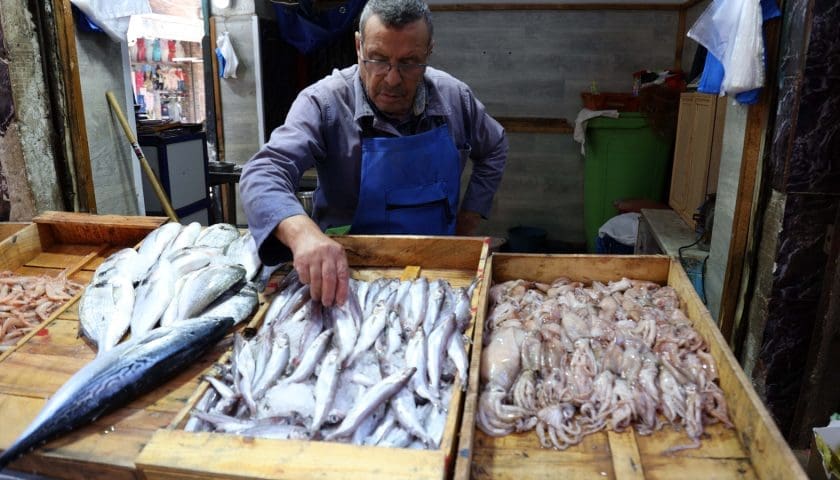
ALGERIA – Algeria is increasing efforts to expand its aquaculture sector as wild catch fisheries continue to fall short of national demand for fish products.
The Ministry of Agriculture has set a goal to raise aquaculture production to 20,000 tonnes by 2026, a plan presented during a sector meeting held on April 23.
Production expansion is being supported by large-scale stocking activities, including the release of 80 million sea bream and sea bass fry this season compared with 50 million fry in 2025.
The sector currently operates 28 marine farms, while authorities are extending production infrastructure through additional cages and the opening of new farming zones.
A key focus of the expansion strategy is reducing feed-related expenses, which remain one of the highest operational costs in aquaculture production.
In Ouargla, a fish and shrimp feed production facility developed in partnership with South Korea has been reactivated under the supervision of the National Livestock Feed Office and is undergoing testing ahead of full operations.
The private sector is also entering the feed market, with AviFish in Bouira beginning operations as a local producer of aquaculture feed for fish farming activities.
A January 2026 report by the World Economic Forum indicated that reliance on imported feed ingredients raises aquaculture production costs in Africa by 10% to 20% compared with global averages.
In response, Algeria’s 2026 finance law introduced customs duty exemptions and reduced value-added tax on imported raw materials used in feed manufacturing, along with lower VAT on locally produced aquaculture feed.
Officials say these fiscal measures are intended to cut production costs, attract investment into the sector, and improve long-term viability of fish farming operations.
According to the Food and Agriculture Organization, Algeria produced 82,366 tonnes of fish in 2023, with 93% of output coming from capture fisheries rather than aquaculture.
Domestic consumption reached nearly 127,000 tonnes in the same year, leaving a production shortfall of about 45,000 tonnes that aquaculture expansion aims to reduce.
Sign up HERE to receive our email newsletters with the latest news and insights from Africa and around the world, and follow us on our WhatsApp channel for updates.