
Algeria to allow imports of live sheep from Brazil
The North African country turns to Brazil to meet domestic meat demand
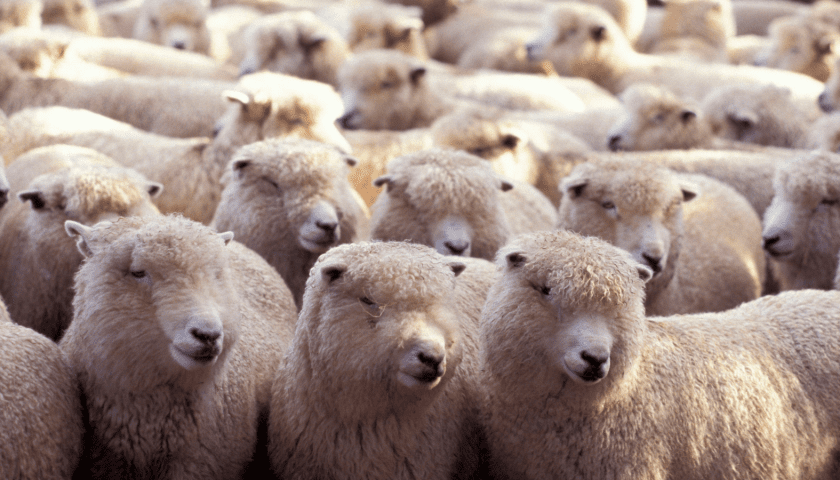
ALGERIA – Algeria has given approval for imports of live sheep from Brazil following a sanitary and zoosanitary agreement reached between the two governments.
The Brazilian Ministry of Agriculture announced the development on August 19, noting that the deal provides Brazil with a new export market while offering Algeria an additional source of supply.
The decision comes at a time when Algeria’s agricultural sector is struggling under the weight of a prolonged drought that has lasted more than five years.
This dry spell has heavily reduced productivity in livestock farming, leaving the government with no choice but to increase dependence on imports to meet consumer needs.
Data from the Trade Map platform shows that in 2024, Algeria imported about US$7.8 million worth of live sheep, with all shipments coming exclusively from Romania.
The shift to include Brazil is viewed as an attempt to avoid overreliance on a single supplier, especially as local farms are unable to provide enough animals to meet demand.
Production costs have risen in recent years because fodder reserves have declined, a direct outcome of repeated drought seasons.
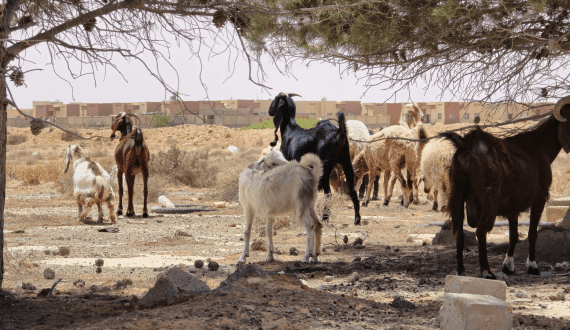
According to experts, the country’s livestock sector is mostly pastoral, with herds dependent on steppe rangelands across the high plateaus.
These grazing areas have been hit by declining fodder, which has left animals in poor condition and created difficulties for farmers trying to sustain production.
In March, Ali Daoudi, a professor at the National Institute of Agronomy, told Algerian Radio that livestock had reached a severely degraded state due to scarcity of feed in these rangelands.
The strain was visible during the Tabaski festival in June, when the government authorized the import of one million sheep from global markets to ensure supply for the holiday.
Local media pointed out that such a measure had not been taken in 2024, further illustrating the inability of domestic producers to keep up with demand.
The latest agreement with Brazil therefore comes as part of Algeria’s strategy to secure sufficient livestock availability while working to revive its weakened production system.
For Brazil, the partnership represents an opportunity to expand its agricultural exports beyond traditional markets, strengthening its trade relations with North Africa.
Algeria, the second most populous country in the region after Egypt, continues to face the challenge of ensuring food security in the midst of environmental and production constraints.
Sign up HERE to receive our email newsletters with the latest news and insights from Africa and around the world, and follow us on our WhatsApp channel for updates