
Australia ramps up grain fed beef output to capture growing Asian demand
Producers increase feedlot capacity as export markets shift toward marbled beef
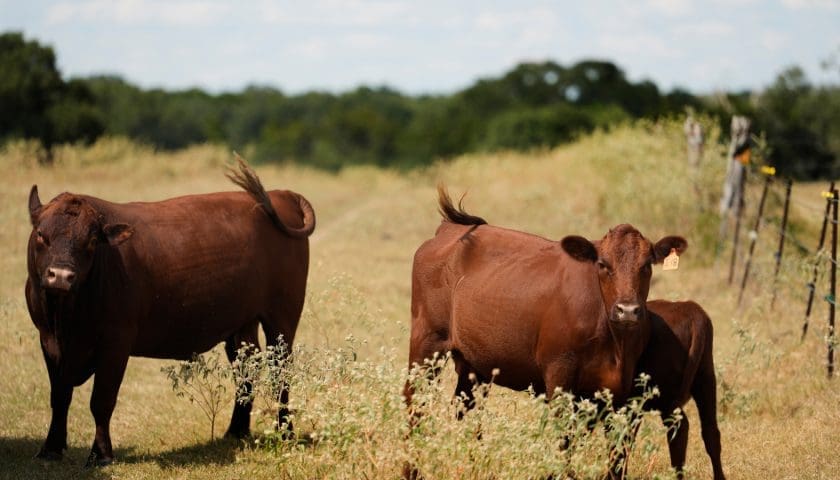
AUSTRALIA – Australian cattle producers are expanding grain fed beef production as demand from Asian customers continues to rise and trading conditions change in their favour.
At the Gundamain feedlot in New South Wales, around six thousand Black Angus cattle are being raised on a ration of barley, silage, cottonseed and molasses, with animals gaining roughly half their body weight during a ninety day feeding period to reach about 600 kilograms for export.
This system allows Australian suppliers to maintain a reliable flow of beef to overseas buyers and build a presence in markets long dominated by the United States.
During the first nine months of 2025, Australia shipped beef worth US$8.6 billion (US$8.6 billion), with grain fed cattle accounting for roughly half of the value as Japan, South Korea and China continue favouring well marbled cuts.
Feedlot expansion
The number of cattle in Australian feedlots climbed to a record 1.6 million by the end of June, up from one million five years earlier, marking a shift toward more intensive finishing as producers try to meet consistent export schedules.
By 2027, industry groups expect about half of all cattle destined for slaughter to move through feedlots, a trend that helps minimise the impact of drought and stabilise output even when rainfall patterns become unpredictable.
Changing global supply dynamics
Australia’s growing role in the global beef trade is partly linked to shrinking US production after years of drought reduced herd numbers to levels last seen in the 1950s, increasing the need for alternative suppliers.
Analysts say Australia’s grain fed operations now produce meat similar in quality to US feedlot beef, giving exporters an opening to secure orders in markets where consistency and appearance matter.
However, the share of grain finished cattle in Australia is still far from US levels, where more than 90 percent of cattle are fattened in feedlots, and industry participants expect the gap to remain because large scale feedlot construction is costly.
Producers also note that while demand for grain fed beef is strong, many buyers are still looking for grass fed options that they view as less intensive and more environmentally conscious, which limits how quickly the sector can expand.
Sign up HERE to receive our email newsletters with the latest news and insights from Africa and around the world, and follow us on our WhatsApp channel for updates.