Benin secures US$112M for poultry expansion program from AfDB
Project links maize, soybean and poultry chains to reduce import dependence

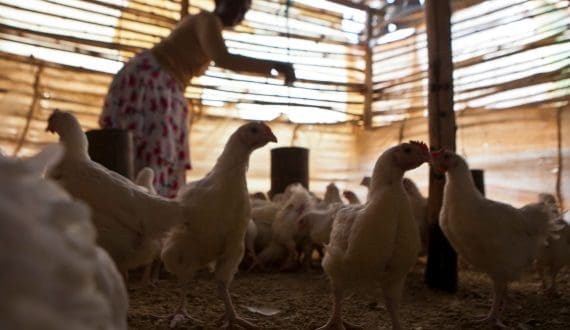
BENIN – The African Development Bank Group has cleared a loan worth US$112 million to Benin to fund the first stage of a long term agricultural program aimed at expanding poultry production in the Savanes region.
The initiative seeks to raise the country’s output of poultry meat by knitting together maize, soybean and broiler farming systems so that producers can access feed, inputs and markets in a more coordinated way.
According to the Bank, the plan is expected to support food security, help cut reliance on imported chicken and open up new income streams for rural households that depend on small scale farming.
Bank Country Manager Robert Masumbuko said the project draws lessons from Brazil’s Cerrado transformation and will gradually scale up activities to strengthen broiler production, which he noted requires consistent supply of feed and technical know how.
Running from 2026 to 2030, the project aims to develop 120,000 hectares of maize and 80,000 hectares of soybeans, with the increased crop output projected to eventually support the production of around 41,000 tons of poultry meat.
Beneficiaries will receive broiler starter kits along with certified seeds, fertilizer and crop protection inputs, while smallholders are expected to gain from portable tools designed to improve planting and field management.
Because farmers in the region face erratic weather patterns and pests, the program will also introduce improved farming practices that prioritize soil management, water use and climate adaptation.
Research and infrastructure plans
A multi stakeholder platform focused on agroecological research for maize and soybean cropping systems will be created to test and share new methods that could raise yields and reduce losses.
The Bank says the initiative will also encourage the use of climate tolerant and nutrient rich seed varieties to help producers maintain output during difficult seasons.
To support storage and handling, the program outlines the construction of 60 warehouses with a capacity of 1,000 tons each, another 90 facilities designed for 500 tons and 150 drying areas covering 200 square meters.
Sector outlook
The project is expected to directly involve around 50,000 people and indirectly reach another 500,000, with women targeted to account for at least 30 percent of all groups.
Benin’s poultry sector has expanded in recent years, though production remains low, with output in 2022 estimated at just under 10,000 tons and egg production driven largely by medium sized commercial farms in southern regions.
Despite this progress, the country still depends heavily on foreign chicken, importing close to 98 percent of its poultry meat needs in 2023 at a cost of more than US$200 million.
Producers say high input prices, disease outbreaks and weak cold chain systems continue to strain growth, leading many consumers to rely on cheaper imported options even as domestic demand for meat and eggs rises.
Sign up HERE to receive our email newsletters with the latest news and insights from Africa and around the world, and follow us on our WhatsApp channel for updates.