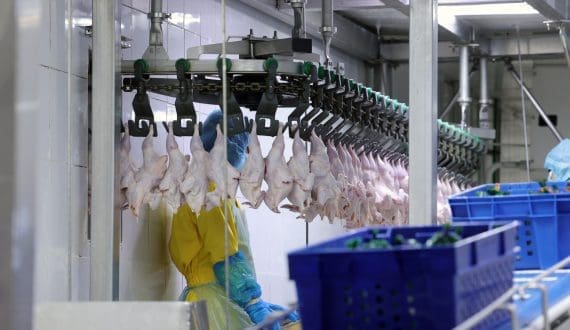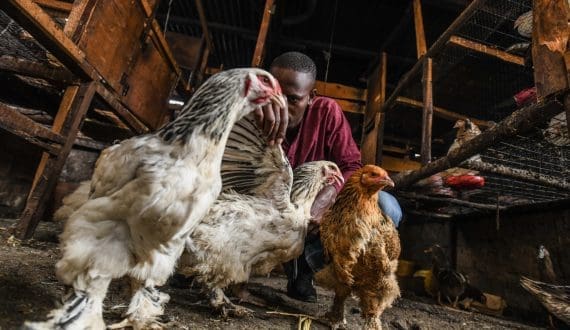

South Africa poultry industry calls for removal of VAT on chicken to ease food costs
Proposal targets affordability and food access for low-income households
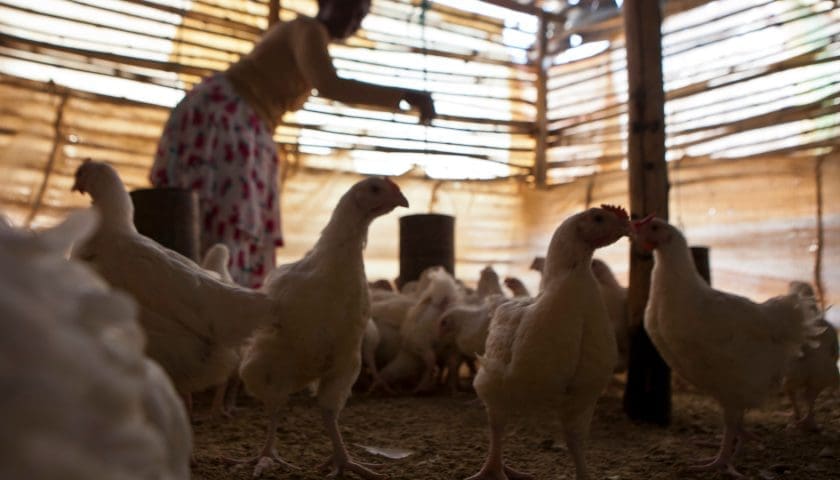
SOUTH AFRICA – South Africa’s poultry industry has called on the government to remove the 15 percent value-added tax on chicken, warning that rising prices are placing a growing strain on households that rely on poultry as a primary source of protein.
The South African Poultry Association said chicken should be treated as an essential food item rather than a discretionary purchase, arguing that the tax is contributing to higher retail prices at a time when food inflation and living costs remain elevated.
According to the association, chicken continues to be the most consumed animal protein in the country because it is typically more affordable than alternatives such as beef, lamb, or fish, yet recent increases in production expenses have narrowed that price gap.
It said higher feed prices, energy costs, logistics challenges, and inflationary pressure across the supply chain have made chicken less accessible for low-income families who already spend a large share of their income on food.
The industry body stated that removing VAT on poultry would result in immediate price reductions at retail level, allowing households to purchase chicken more frequently and maintain regular protein intake.
It added that improved affordability would have nutritional implications, particularly for children, expectant mothers, and older people who depend on affordable animal protein to meet dietary needs.
Targeted tax relief
SAPA clarified that the proposal does not extend to all poultry products, as it is focused on basic, unprocessed items such as raw chicken portions, frozen bone-in cuts, and offal that are commonly bought by lower-income consumers.
Processed and ready-to-eat chicken products would continue to attract VAT, as these items are generally purchased by higher-income households and are not considered staple foods.
The association said this selective approach would limit the impact on tax revenue while ensuring that relief reaches consumers most affected by food price pressures.
Economic and food security implications
Beyond household budgets, SAPA said lower prices could stimulate demand for locally produced chicken, potentially increasing activity across farming, feed production, processing, and distribution.
It noted that higher demand could support employment in the poultry value chain and create more stable market access for small-scale and emerging producers.
The group also linked the proposal to broader food security concerns, warning that continued price increases could lead to reduced protein consumption and rising nutritional risks.
As South Africa faces persistent cost-of-living pressures, the poultry industry said removing VAT on essential chicken products would represent a policy choice aimed at maintaining access to affordable food rather than a sector-specific concession.
Sign up HERE to receive our email newsletters with the latest news and insights from Africa and around the world, and follow us on our WhatsApp channel for updates.