South Africa and Brazil tighten poultry trade rules to protect supply
Poultry imports remain central to affordable protein access
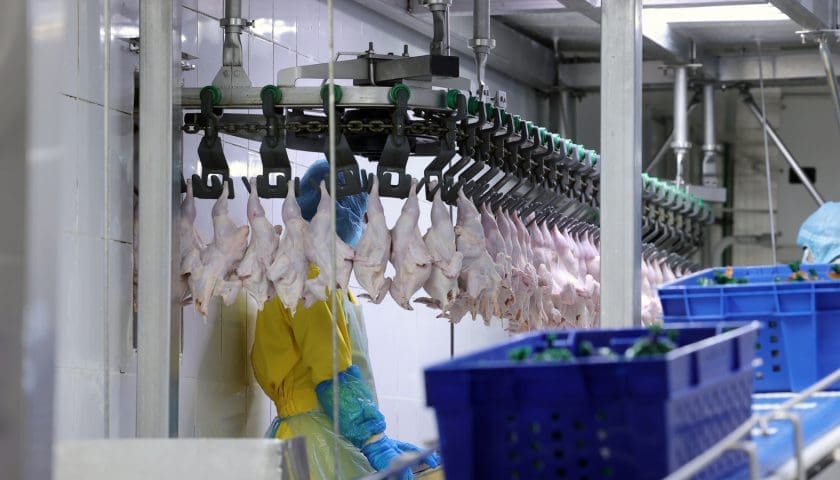
SOUTH AFRICA – South Africa and Brazil have stepped up bilateral engagements on poultry trade as officials from both countries seek to reduce the risk of supply interruptions that could affect food availability and pricing across the South African market.
Chicken remains the most widely consumed and cheapest source of animal protein in South Africa, and the country’s continued reliance on imports means any disruption has immediate consequences for households, public institutions, retailers and food manufacturers.
Brazil is a major supplier of poultry to South Africa, including whole birds and mechanically deboned meat used extensively in processed foods such as sausages, polony and viennas that form part of daily diets for low-income consumers.
Against this background, officials say recent discussions have focused heavily on animal health oversight, following recurring global alerts linked to avian influenza and other poultry diseases.
Brazilian authorities have presented technical briefings outlining how disease surveillance is conducted, how outbreaks are isolated and how export certification is managed to prevent contaminated products from entering international markets.
According to participants, these exchanges are intended to address concerns raised by South African regulators and to reduce the likelihood of sudden import bans that have previously disrupted trade flows.
Disease controls under scrutiny
Brazil’s poultry system relies on continuous monitoring, laboratory testing and rapid containment measures that are designed to limit outbreaks to defined areas rather than allowing them to spread across production regions.
A central feature of the talks has been the application of regionalisation, a zoning method endorsed by the World Organisation for Animal Health, which restricts trade only from affected zones instead of imposing nationwide bans.
For South Africa, the approach offers a way to keep poultry imports moving from unaffected Brazilian regions, avoiding gaps that local producers cannot immediately cover due to high feed costs, energy constraints and limited processing capacity.
Industry sources warn that interruptions to mechanically deboned meat supplies can quickly lead to shortages in processed protein products, which in turn puts pressure on consumer prices and manufacturing operations.
Trade continuity and information sharing
Both governments have also placed emphasis on faster communication channels between veterinary authorities to ensure that disease findings are shared in real time and interpreted consistently.
Officials involved in the process say previous delays and incomplete information exchanges contributed to overly broad suspensions that were later revised after supply damage had already occurred.
The current engagement framework includes regular technical meetings, agreed reporting timelines and clearer criteria for lifting restrictions when disease incidents are contained.
While the discussions are technical in nature, they carry wider implications for food security as demand for low-cost protein continues to rise amid economic strain.
For Brazil, South Africa remains a significant destination for poultry exports, while for South Africa the relationship is viewed as essential to maintaining steady access to chicken products throughout the year.
Sign up HERE to receive our email newsletters with the latest news and insights from Africa and around the world, and follow us on our WhatsApp channel for updates.