
Zambia’s poultry multiplication initiative expands adoption of improved chicken breeds in rural areas
ZAMBIA – Zambia’s Poultry Multiplication Initiative is seeing wider uptake in rural communities as farmers increasingly turn to improved chicken breeds to support household income and food needs.
The programme focuses on distributing hardy, high-performing birds through local systems, with the aim of making poultry production more predictable and commercially viable for small-scale farmers.
One of the recent participants is Sister Misozi Mumba from Onje and Mondola Village, who joined the initiative after attending a poultry marketing meeting organised by Zambro in Mondola.
The meeting brought together farmers from surrounding areas and provided information on breed characteristics, management requirements, and marketing options linked to improved chickens.
According to organisers, such sessions are intended to give farmers a clear picture of costs, expected output, and practical husbandry demands before they commit resources.
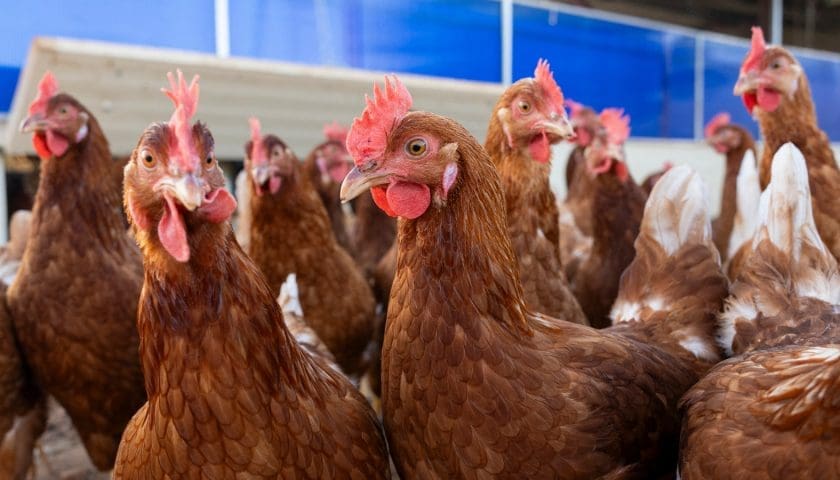
Following the meeting, Mumba opted to enter poultry production using Zambro chickens, a breed promoted under the initiative for its growth rate, egg-laying performance, and resilience under local conditions.
The Zambro breed is positioned as an alternative to indigenous chickens, particularly for farmers seeking regular egg supply rather than seasonal or low-output production.
To establish her flock, Mumba purchased 30 Zambro teen birds from a registered brooder unit operator, Mrs Mwanza, who runs a unit in Anusa Compound.
Role of Brooder Units
Brooder units serve as decentralised production points within the Poultry Multiplication Initiative, supplying young birds that have already passed the most vulnerable early growth stage.
These units are responsible for feeding, vaccination, and basic health monitoring, allowing farmers to receive birds that are ready for transition into household or semi-commercial systems.
For farmers like Mumba, this arrangement reduces early-stage losses and shortens the time between purchase and the start of egg production.
Mumba plans to sell eggs within her village and nearby communities, where demand remains steady, while also retaining part of the production for household consumption.
She indicated that the combination of sales and home use is expected to support daily expenses and improve access to animal protein.
Beyond bird distribution, the initiative provides follow-up support through extension visits and peer learning forums that focus on disease management, feeding practices, and local marketing.
Programme coordinators state that these support structures are designed to help farmers scale gradually from small flocks to income-generating enterprises.
As participation increases, project implementers report that improved poultry production is becoming a more common livelihood activity in several rural districts.
The experience of farmers such as Mumba reflects how structured breed distribution and local support systems are shaping poultry production at household level across parts of Zambia.
Sign up HERE to receive our email newsletters with the latest news and insights from Africa and around the world, and follow us on our WhatsApp channel for updates.