

Beijing’s American-style restaurants eliminate US beef from menus amid tariffs wars
China-based eateries are replacing US beef with Australian alternatives amid ongoing trade tensions. Canadian pork is also being used to fill supply gaps in American-style dishes
CHINA – At Home Plate BBQ in Beijing, menus are being reprinted to show a major change — US beef will no longer be served.
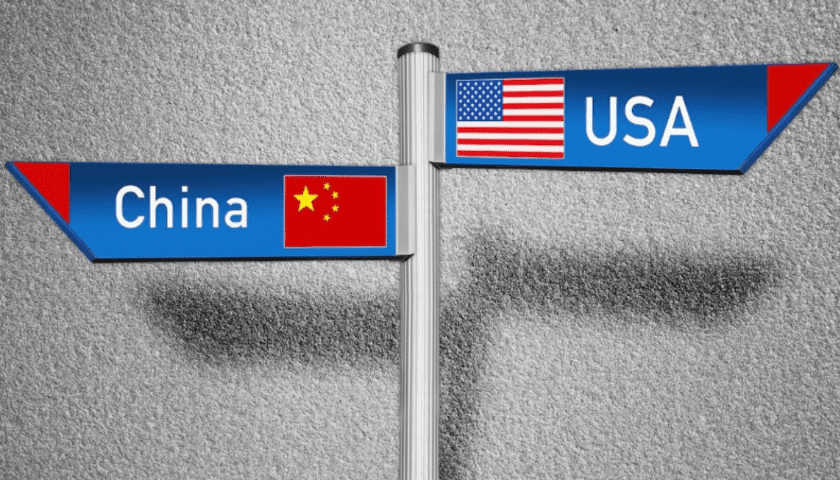
The change stems from the prolonged US-China trade dispute, which has rendered it financially unsustainable for restaurants to continue sourcing beef from the United States.
Until recently, Home Plate BBQ relied entirely on US beef for its southern-style dishes, using around 7 to 8 tonnes of brisket each month.
However, once their current supply of American meat runs out, the restaurant will switch exclusively to Australian beef.
Beijing’s retaliatory tariffs of 125%, on top of an existing 22%, have driven up the cost of American beef, making it unaffordable for many food service businesses.
According to Charles de Pellette, the operations director of Home Plate BBQ, the new tariffs have forced them to seek more affordable options.
Although US beef exports to China account for only a small portion of total trade — around US$125 million (US$125,000,000) a month — the impact on Beijing restaurants is already visible.
De Pellette said the restaurant will begin offering only Australian M5-grade beef once its US supply is finished, citing comparable quality despite the need to change suppliers.
The restaurant is also sourcing pork ribs from Canada due to similar challenges with US pork.
The trend is being seen across the city, where other American-themed restaurants have begun substituting Australian beef in their dishes.
A Beijing-based beef supplier, who requested anonymity, said nearly all US steak restaurants in the city are now turning to Australia for meat.
Rising costs for US beef began even before the trade conflict, with prolonged droughts shrinking herds and pushing up prices to levels not seen since the 1950s.
Between May last year and March this year, the price of US brisket climbed nearly 50%, and surged again once tariffs were imposed.
This made American beef nearly twice as expensive as it was a year earlier, a cost few restaurants can afford to absorb, particularly in China’s current economic climate.
Australian brisket, on the other hand, is selling for around 40% less, making it a more viable option for many businesses.
At Home Plate BBQ, the new cuts from Australia will soon take over the smoker, continuing the Texas-style barbecue tradition with a different source of meat.
Sign up HERE to receive our email newsletters with the latest news and insights from Africa and around the world, and follow us on our WhatsApp channel for updates.