
Brazil overtakes United States as largest beef producer in 2025
Productivity gains reshaped global supply expectations and price pressures
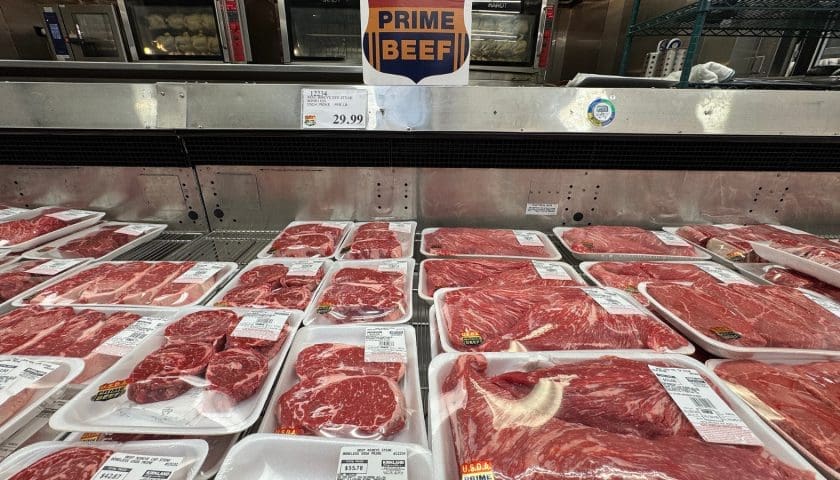
WORLD – Brazil became the world’s largest beef producer in 2025, overtaking the United States for the first time after output rose well above earlier projections, according to market analysts and preliminary estimates.
The increase came as Brazilian ranchers sent more cattle to slaughter than expected, responding to strong overseas demand, particularly from China and the United States, where reduced domestic supply has driven beef prices to historic highs.
Brazil was already the leading beef exporter and shipped meat valued at nearly US$17 billion in 2025, based on government trade figures released this week, while final production data are due in February.
Analysts said the usual cycle in which heavy slaughter leads to a later decline in output has been disrupted by changes in how cattle are raised, allowing Brazil to sustain volumes without sharply shrinking its herd.
According to industry executives, cattle are now inseminated sooner, finished more quickly, and processed at younger ages than a decade ago, altering the timing and scale of production.
Vinicius Barbosa, a commercial manager at the CMA feedlot in Barretos, said the average slaughter age has fallen from around five years to about three years, with many operations moving toward two years.
Mauricio Nogueira of consultancy Athenagro estimated Brazilian beef output grew about 4% in 2025, reversing his earlier forecast of a 2.7% decline and adding roughly 800,000 metric tons to supply.
That increase alone was comparable to Argentina’s total annual beef exports, highlighting how sharply Brazil exceeded expectations during the year.
Revised projections from Rabobank now point to Brazilian production of about 12.5 million metric tons carcass weight equivalent, while the U.S. Department of Agriculture raised its estimate to 12.35 million tons in December.
If confirmed, those figures would place Brazil ahead of U.S. output, which fell to an estimated 11.8 million tons in 2025 after years of drought reduced American cattle numbers.
Feedlots and genetics reshape output
Feedlot use is expanding rapidly, with consultants estimating nearly 28% of Brazilian cattle will be finished in feedlots by 2027 compared with about 22% in 2025.
Barbosa said feedlots can achieve in roughly 100 days what pasture systems take up to two years to accomplish, allowing processors such as CMA to scale up throughput.
Analysts also pointed to higher pregnancy rates from improved insemination methods and stronger genetics, which increase calving numbers without expanding pasture land.
Brazil’s pregnancy rate is expected to reach 54% by 2027, up from around 50% in 2026, though it remains below levels reported in Argentina and Canada.
Global supply outlook still tight
Despite Brazil’s surge, the USDA forecasts global beef shipments will slip 1% to 13.5 million tons in 2026 as exports from Brazil, Australia, and the United States retreat from record 2025 levels.
Worldwide beef production is projected to decline by about 1% to 61.0 million tons in 2026, with lower output in Brazil and other major producers outweighing gains elsewhere.
Brazilian production is officially forecast to fall by 650,000 tons to 11.7 million tons in 2026, though some analysts argue productivity gains could prevent that drop.
Sign up HERE to receive our email newsletters with the latest news and insights from Africa and around the world, and follow us on our WhatsApp channel for updates.