
British wagyu beef enters Hong Kong market amid competition from Japan and Australia
The UK’s new Wagyu variety arrives in Hong Kong after years of research and development, vying for a share in a market long dominated by Japanese and Australian beef.
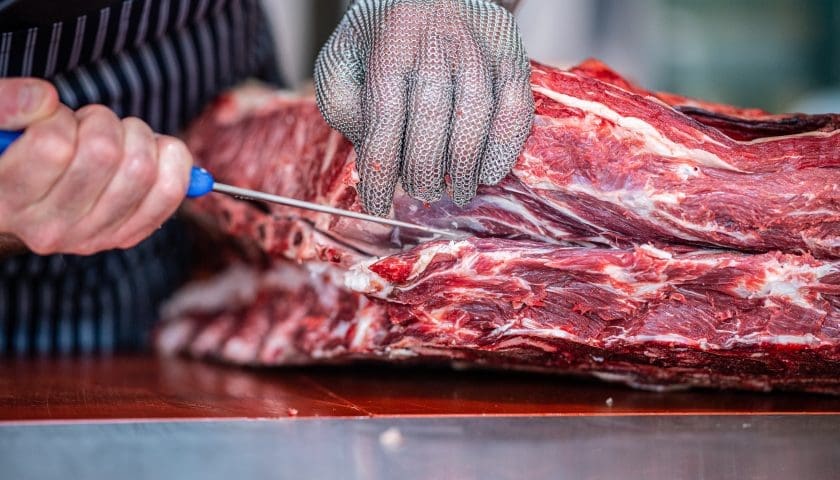
CHINA – After more than ten years of breeding and refinement, the United Kingdom has launched its own line of Wagyu beef, which has now reached Hong Kong’s high-end dining scene.
Japanese Wagyu remains the leading choice for premium beef lovers in the city, while Australian Wagyu is a widely available, lower-cost alternative.
Despite this, some local chefs believe the British version could offer something new to Hong Kong’s competitive market.
Peter Find, chef and owner of Heimat restaurant in Central, has been serving British Wagyu for several months and says customers have responded positively.
He uses it in a dish featuring beef with smoked garlic purée and garlic confit, noting that the meat’s natural sweetness complements the flavours well.
Find works mainly with the oyster blade cut, which he describes as rich and meaty but with slightly less marbling than its Japanese counterpart.
The beef he uses comes from Warrendale Wagyu in England, whose cattle are bred by crossing full-blood Wagyu bulls with Holstein cows, making the product only partially British in genetic terms.
Holstein cattle were originally bred in Germany and the Netherlands before being exported to North America in the 19th century and then introduced to the UK after World War II.
Their arrival transformed British dairy farming, but it also led to an excess of male calves that were once considered low-value and often culled at birth.
Over time, ethical concerns pushed the industry to raise these animals for beef instead, creating a lean and affordable meat source that now supports the Wagyu crossbreeding programme.
Roger Leung, managing director of Eastern Point Trade, the Hong Kong importer of Warrendale Wagyu, says there is a noticeable taste difference between British and Australian Wagyu.
He attributes this to the UK cattle’s diet, which is grass-fed for most of their lives before being finished on a mix of grass and grain for about 150 to 170 days.
In contrast, Australian Wagyu typically spends 350 to 500 days on grain feed to achieve the signature high-fat marbling that defines its buttery texture.
While Japanese Wagyu continues to represent the pinnacle of luxury beef, Australian Wagyu has earned a steady following as a consistent and less expensive option.
Leung believes there is still space for the British product, especially among consumers seeking beef with a stronger, more natural flavour profile.
He adds that Hongkongers are increasingly interested in grass-fed beef for its health benefits, including higher omega-3 and conjugated linoleic acid levels.
However, as he points out, traditional grass-fed beef lacks the marbling many diners prefer, and that is where British Wagyu might fill the gap by offering both health appeal and a satisfying fat content.
Sign up HERE to receive our email newsletters with the latest news and insights from Africa and around the world, and follow us on our WhatsApp channel for updates.