

South African Social Enterprise tackles food waste, rising prices through discounted surplus sales
Still Good links shoppers to near-expiry groceries at lower prices while cutting food waste across major retail chains.
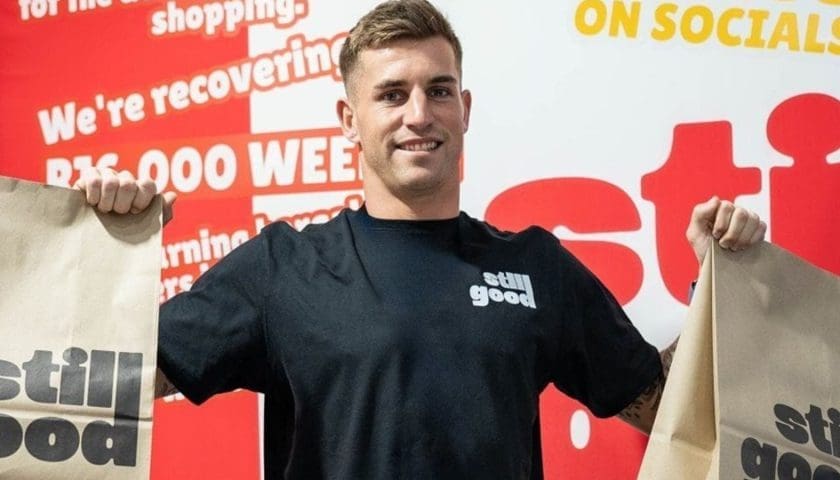
SOUTH AFRICA – A South African start-up is helping consumers cope with rising food prices by selling surplus groceries approaching their sell-by dates at discounts of up to 65%.
Still Good, launched in May 2025, has saved shoppers nearly US$215,000 (about R4 million) within six months while helping retailers reduce food waste expenses.
Through its web-based platform, Still Good connects buyers with discounted food items from over 80 stores, including Pick n Pay, Spar, Food Lovers Market, and various independent outlets across Gauteng, KwaZulu-Natal, Northern Cape, Eastern Cape, Western Cape, Free State, and North West.
Company co-founder and CEO Steffen Burrows said the initiative aims to help South Africans manage grocery costs amid high inflation. According to the Human Sciences Research Council, around 63.5% of households in the country face some level of food insecurity.
Food insecurity remains a serious issue in South Africa, where around 1,000 children die each year from acute malnutrition and about 2.7 million children under six live in households unable to afford adequate nutrition.
Affordable Options for Shoppers
The platform offers “Value Bags” containing surprise assortments of fresh produce, bakery goods, and dry foods still safe for consumption but nearing expiry. For safety reasons, meat and deli products are excluded from these bundles.
Burrows said that 95% of all listed Value Bags sell out, with some stores moving 50 bags in just two minutes. Many regular users buy twice a week, though availability remains limited due to demand.
Customers receive updates through regional WhatsApp channels, which notify them instantly when new Value Bags are posted online.
A Growing Community and Environmental Impact
Shoppers use the Still Good website to view original and discounted prices, make secure payments via Yoco, and collect their purchases in-store during set pickup times, typically near closing hours.
Users can also track their cumulative savings, with one Cape Town resident reporting savings exceeding US$2,100 (about R40,000) in half a year.
Johannesburg shopper Chanté-Leigh Hendricks said her family enjoys the mystery element of the bags and has learned to make creative meals from the contents, adding that the experience aligns with her desire to reduce food waste.
While similar concepts have gained traction abroad, Burrows noted that Still Good’s model focuses directly on retail outlets, where most wastage occurs. Previously, such stock often ended up in municipal landfills already nearing capacity.
As part of its social mission, Still Good donates 10% of its earnings to food relief organisations, including SA Harvest and other food banks across South Africa.
Sign up HERE to receive our email newsletters with the latest news and insights from Africa and around the world, and follow us on our WhatsApp channel for updates.
