
Cameroon allocates US$22.4M to Integrated Agro-Pastoral and Fisheries Import-Substitution Plan (PIISAH)
Fisheries sector financing under the program faces a sharp decline.
CAMEROON – Cameroon has announced plans to allocate US$22.4 million to the Integrated Agro-Pastoral and Fisheries Import-Substitution Plan (PIISAH) in 2026, marking a decrease from the previous year’s budget.
The 2026 allocation represents a reduction of around US$3.6 million compared to 2025, when PIISAH received US$26 million in funding.
Budget documents indicate that this drop is expected to limit financial support for small and medium-sized enterprises operating in agriculture, livestock, and fisheries through the SME Bank.
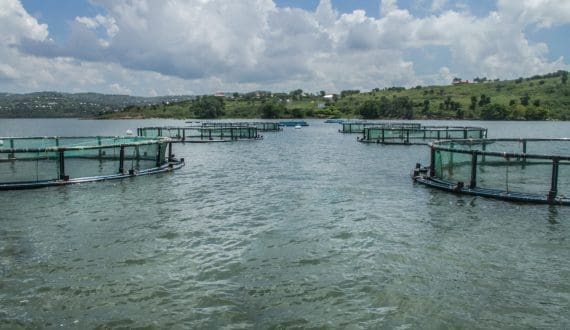
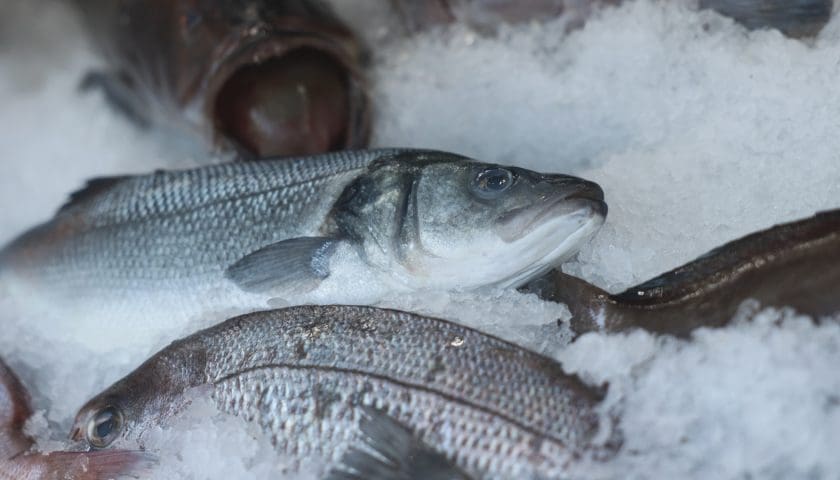
Specifically, US$11.6 million of the 2026 PIISAH budget is set aside for actors in the fisheries value chain via the SME Bank’s dedicated financing window, down roughly US$7.2 million from 2025 allocations.
In the previous year, the SME Bank had received US$17 million to support producers involved in the government’s import-substitution initiative, highlighting the scale of the funding cut.
Objectives and Strategy of PIISAH
The PIISAH program, running from 2024 to 2026, aims to replace imported goods with local production generated by private sector actors to reduce the country’s trade deficit.
Over its three-year span, the program anticipates mobilizing up to US$800 million through a combination of domestic resources and external financing to expand agricultural and fishing operations.
Its strategy focuses on securing 400,000 hectares of land in the Central Plain, developing 160,000 hectares of agricultural and fishing areas, improving production and processing of foodstuffs, and providing training and financing access to stakeholders.
Fisheries Sector Challenges
The government’s budget announcement follows Cameroon’s April 2025 signing of the Global Charter for Transparency in Fisheries, signaling the country’s commitment to international regulations for legal and ethical seafood production.
Cameroon’s Atlantic coastline, measuring roughly 400 kilometers, supports over 212,000 people engaged in fishing, according to 2022 data from the UN Food and Agriculture Organization.
That year, the country produced nearly 300,000 tonnes of fish, with artisanal fishing contributing approximately 84 percent of the total catch and serving as a critical source of income for coastal communities.
Despite these efforts, the fishing sector faces ongoing threats from illegal, unreported, and unregulated operations, primarily carried out by foreign industrial vessels under questionable conditions.
The UK-based Environmental Justice Foundation has repeatedly flagged allegations of crew mistreatment and exploitation on some industrial trawlers operating in Cameroonian waters.
Sign up HERE to receive our email newsletters with the latest news and insights from Africa and around the world, and follow us on our WhatsApp channel for updates.