
China approves 106 US meat plants for export
Beef remains off the table as China renews pork and poultry access for American processors
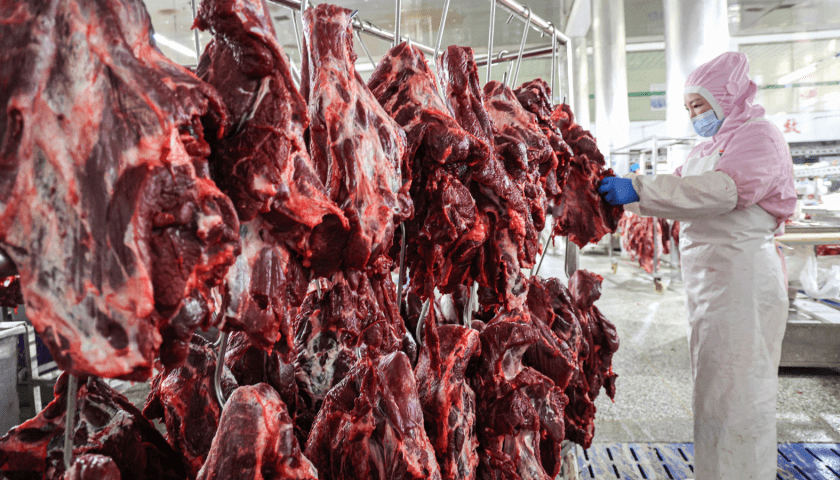
CHINA – China has authorized 106 pork and poultry processing plants from the United States to begin exports of eligible products produced from June 12 onwards, according to a notice published on the Chinese Customs website.
This approval was issued last Thursday and follows a recent agreement between Beijing and Washington aimed at reviving stalled trade negotiations, which resumed in Geneva last month.
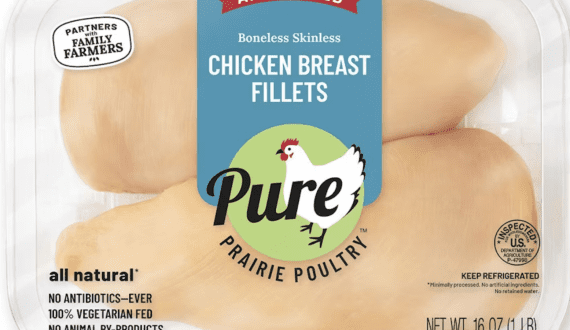
The list includes 23 pork facilities and 83 poultry plants, as per data released by Chinese Customs.
China had earlier introduced tariffs of up to 15% on US$21 billion (US dollars) worth of American agricultural and food imports in March in response to tariffs imposed by former President Donald Trump on Chinese goods.
Although hundreds of US meat plants were previously cleared to export to China under the 2020 “Phase 1” trade deal, many lost their approval earlier this year due to updated registration requirements.
Since then, access has been reinstated for pork and poultry facilities, but beef plants remain ineligible, with registrations still marked as expired.
This move by China comes as the country tightens import rules on meat from other regions, with South Africa being the latest affected.
A few weeks ago, China suspended imports of beef and related products from South Africa following confirmed outbreaks of Foot-and-Mouth Disease (FMD) in multiple provinces.
The ban took immediate effect and covers all goods derived from animals with split hooves, based on a formal directive from Chinese authorities.
Initially concentrated in KwaZulu-Natal, the disease has now been confirmed in Mpumalanga and Gauteng, according to South African veterinary officials.
In Mpumalanga, the infection was traced to a farm following the sale of livestock at an auction in Utrecht, KwaZulu-Natal, even though the animals showed no visible symptoms.
Similarly, a feedlot in Gauteng reported positive test results after purchasing animals from an auction held in Heidelberg.
South Africa’s Director of Animal Health, Dr. Mpho Maja, warned that mixing new livestock with existing herds without a waiting period can lead to silent transmission of the virus.
A 28-day isolation period is legally required for all newly purchased livestock since October 2022 to contain the spread of such diseases.
In light of the spread, Agriculture Minister John Steenhuisen has assigned the Deputy Director-General’s office to intensify containment and monitoring efforts.
Planned actions include closer collaboration with Veterinary Services and livestock sector stakeholders to enhance disease tracking, improve animal movement controls, and review auction handling procedures.
Sign up HERE to receive our email newsletters with the latest news and insights from Africa and around the world, and follow us on our WhatsApp channel for updates.