
EU introduces stricter freezing rules for tuna imports in 2026
New EU regulations set uniform freezing standards for tuna to prevent trade fraud and foodborne illness. Tuna exporters must comply with updated requirements by January 27, 2026.
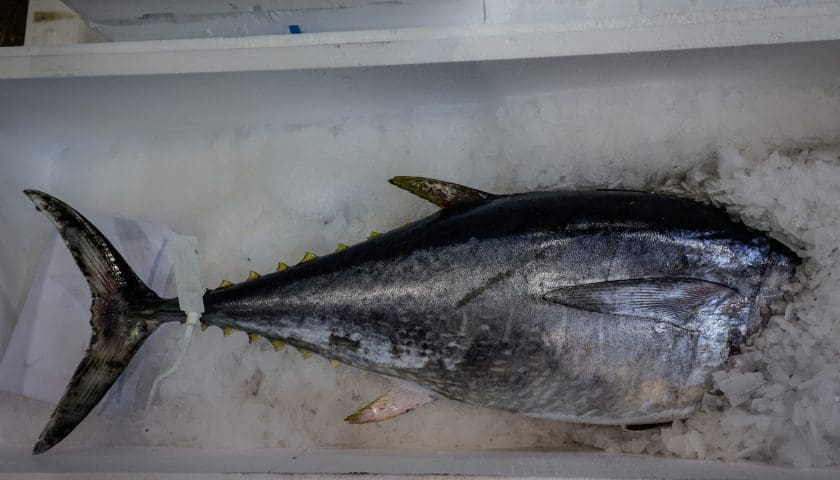
EUROPE – The European Union will enforce tighter freezing standards for tuna to prevent mislabeling and protect consumers from health risks.
The change comes under Delegated Regulation (EU) 2025/1449, which updates Annex III of Regulation (EC) No. 853/2004, establishing uniform temperature requirements for all tuna entering the EU market.
Recent EU inspections revealed that some fishing vessels were using brine freezing at temperatures as high as -9°C, a process intended for canned tuna rather than fresh consumption.
This practice allows tuna to be sold as fresh or unprocessed for products such as sashimi, loins, and steaks, which EU authorities now classify as fraudulent.
Authorities have highlighted that insufficient freezing can lead to histamine accumulation in the fish, which may cause scombroid poisoning and trigger allergic-like reactions in humans.
Starting January 27, 2026, all tuna for direct human consumption must reach a core temperature of -18°C or lower, including those frozen using brine systems on board vessels.
Only vessels equipped with certified brine freezing systems that meet specific technical standards will be allowed to supply tuna to the EU, ensuring compliance with the new rules.
Exporters must maintain constant temperature monitoring and recordkeeping, with all data subject to inspection by EU officials to verify adherence to the regulations.
The updated rules are expected to have a major effect on leading tuna-exporting countries in Southeast Asia and the Pacific, which will need to upgrade equipment and onboard freezing procedures to meet the EU standards.
Shipments failing to meet the -18°C requirement after the deadline will be barred from entering the EU as products intended for direct consumption.
Industry stakeholders have a narrow window to align with the new technical and documentation requirements, raising operational and compliance challenges for global tuna suppliers.
The European Union’s measures aim to improve transparency in the seafood supply chain and reduce incidents of trade fraud while minimizing risks to public health.
Sign up HERE to receive our email newsletters with the latest news and insights from Africa and around the world, and follow us on our WhatsApp channel for updates.