Paraguay approves law to open Itaipu Reservoir for Tilapia farming
The move aims for a combined Paraguay-Brazil production of 400,000 tons annually.
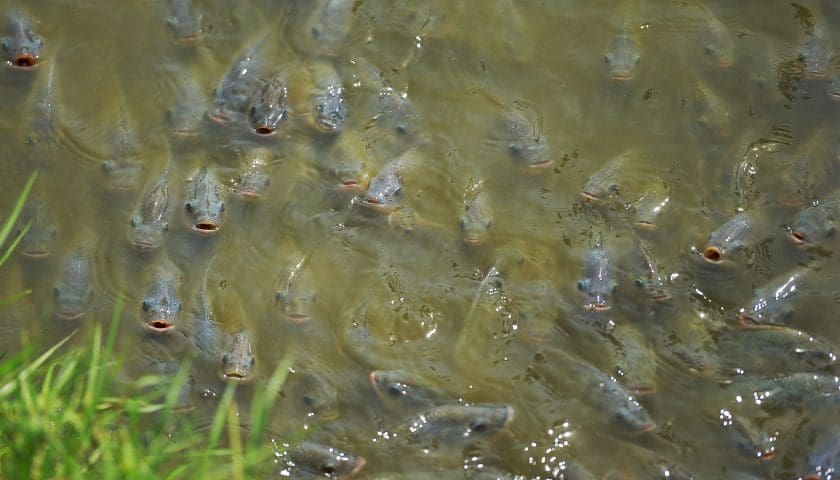
PARAGUAY – Paraguay has enacted Law No. 7,618/2025, establishing the regulatory framework for cultivating, raising, and selling Tilapia in national water bodies, ending restrictions that previously blocked large-scale aquaculture in the Itaipu Hydroelectric Power Plant reservoir.
The law, published in the Official Gazette, replaces earlier measures, including Decree No. 4,256 and the Brazil-Paraguay Bilateral Agreement, which barred the introduction of non-native fish species into shared waters.
With this new legal basis, Paraguay can now begin negotiations with Brazil to update the treaty governing the use of binational waters for fish farming.
Studies by the National Water and Basic Sanitation Agency (ANA) indicate the Itaipu reservoir can sustain up to 400,000 tons of Tilapia annually, divided equally between Paraguay and Brazil.
Officials project that the project could generate more than 12,500 jobs, covering direct employment in fish farming as well as roles in processing, supply chains, and export logistics.
Research led by the Ministry of Fisheries and Aquaculture and Itaipu Binacional evaluated potential environmental effects, concluding that farming Tilapia in net cages would not harm water quality or the hydroelectric plant’s operation.
Enio Verri, Brazilian Director-General of Itaipu, said the initiative converts the reservoir’s potential into a concrete production project while ensuring operational stability.
Fernanda de Paula, Paraguay’s National Secretary of Aquaculture, described the legislation as providing the certainty needed to transition from studies to active development, particularly for small-scale producers who depend on Tilapia as a stable source of income.
The next stage involves technical and diplomatic coordination between Paraguay and Brazil to ensure both nations’ interests in Tilapia production are aligned.
Paraguay’s Vice-Ministry of Livestock and the Ministry of the Environment and Sustainable Development will work with Itaipu Binacional to track environmental impacts, aiming to maintain the health of the Paraná River ecosystem while scaling production.
The legal change positions Paraguay to expand its aquaculture industry, while Brazil could nearly double its Tilapia output in federal waters if the joint production plan proceeds as anticipated.
This project is expected to integrate commercial production with monitoring systems that prevent environmental damage and sustain long-term economic activity in the Alto Paraná region.
Sign up HERE to receive our email newsletters with the latest news and insights from Africa and around the world, and follow us on our WhatsApp channel for updates.