

Ghana loses US$600M yearly on imported fruit juices
Nation urged to replace sugar-heavy imports with natural juices to save forex, curb obesity, and create 60,000 jobs.
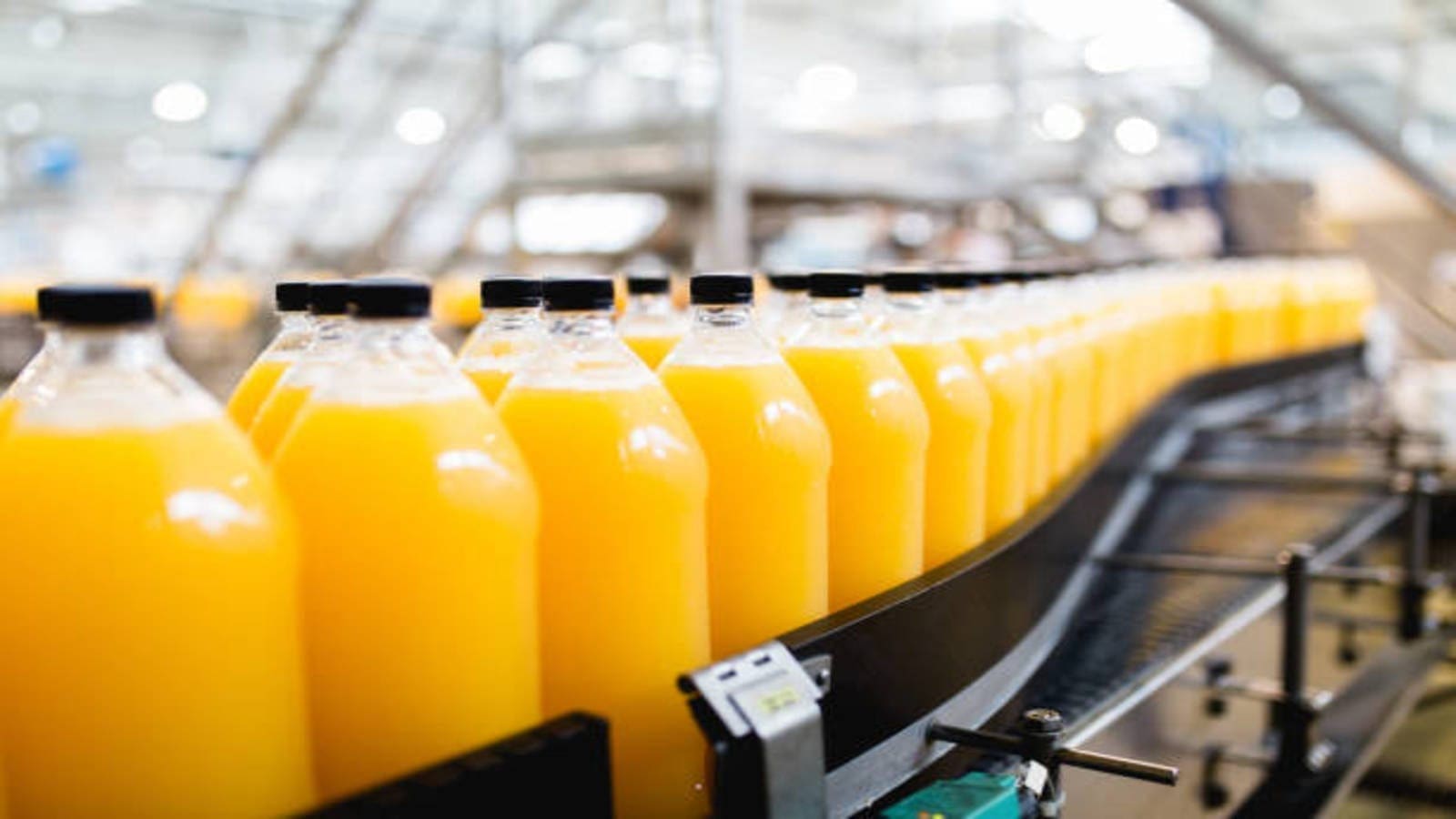
GHANA – Ghana is losing more than US$600 million annually on imported fruit juices and beverages, many formulated from artificial concentrates, excessive sugar, and negligible nutritional value.
Official data reveals the country spent over US$646 million on these imports in 2020 alone, placing severe strain on scarce foreign exchange reserves and accelerating depreciation of the cedi.
Despite abundant local production of pineapple, mango, citrus, papaya, coconut, and passion fruit, Ghana continues to source processed drinks from Europe, Asia, South Africa, and the Middle East.
Nutritionists and health advocates have warned that the influx of fibre-free, ultra-processed beverages is fuelling childhood obesity, diabetes, and other diet-related non-communicable diseases.
A nutrition analyst highlighted that Ghanaian consumers are being offered inferior products while tons of vitamin- and antioxidant-rich local fruits go to waste or remain unprocessed.
Agro-processing specialists estimate that substituting half to all of these imports with domestically produced natural juices, fruit teas, and traditional fermented beverages could conserve between US$300 million and US$600 million each year.
Locally made products would deliver fresher taste, higher fibre content, controlled sugar levels, and better retention of micronutrients.
Industry projections indicate that building a complete domestic fruit-to-beverage value chain would generate 30,000 to 60,000 direct and indirect jobs in farming, processing, packaging, distribution, and export activities. This aligns directly with national priorities on youth employment and the proposed 24-hour economy policy.
With the African Continental Free Trade Area (AfCFTA) secretariat based in Accra, stakeholders see Ghana ideally positioned to become West Africa’s natural juice hub. Reliable supply chains could unlock US$150–250 million in annual continental export revenue.
Experts and producers are calling on government and private investors to prioritise large-scale fruit cultivation with irrigation support, finance modern processing plants, expand outgrower programmes, enforce stricter nutritional labelling, and promote Ghanaian brands in retail and hospitality channels.
A senior economist described the situation as a clear national opportunity to replace unhealthy, expensive imports with superior local alternatives, strengthen the cedi, improve public health outcomes, and drive inclusive economic growth through agro-industrial development.
Sign up HERE to receive our email newsletters with the latest news and insights from Africa and around the world, and follow us on our WhatsApp channel for updates.

