
Ghana tomato growers face oversupply crisis, seek buyers as storage lacks
Farmers say that without additional market access, losses could rise during the current season.
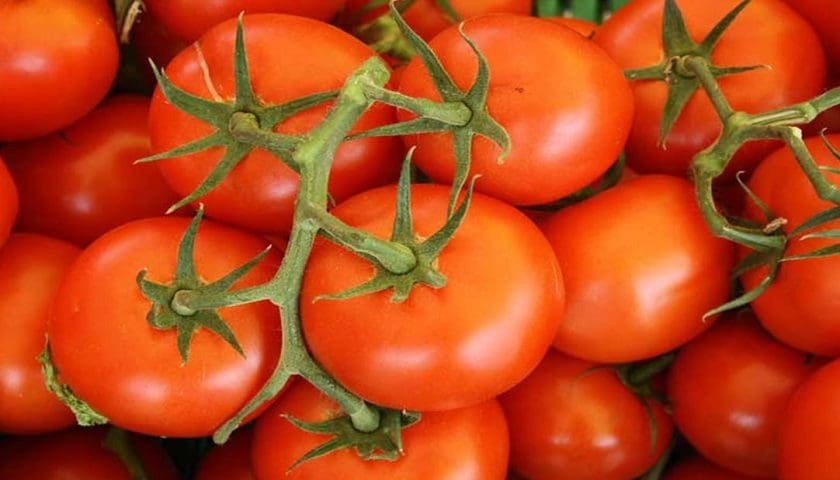
GHANA – Tomato farmers in Asante Akyem Agogo in Ghana’s Ashanti Region are facing a seasonal oversupply crisis, with limited market access and a lack of storage infrastructure threatening massive post-harvest losses.
The area is a major tomato-producing region, supplying markets across Ghana, with output reaching thousands of crates each season.
“We have so many tomatoes right now, but buyers are not coming,” one farmer said. “Instead of letting them rot on the farms, we are calling on the public, market women, and processors to come directly to Agogo and buy at farmgate prices.”
For investors, the infrastructure gaps that hinder the scaling of Ghana’s tomato industry are clear. The region lacks cold storage facilities, processing plants, and reliable market linkages.
Therefore, farmers are urging industry stakeholders, processors, and investors to buy crops directly from farms at discounted rates, thereby bypassing intermediaries to ensure excess produce reaches markets before spoiling.
Further, processing technology could turn seasonal oversupply into regional profit. Tomato paste, puree, sauce, and dried tomato products offer longer shelf life and higher margins than fresh fruit.
For instance, a single processing facility could absorb hundreds of tonnes of fresh tomatoes at peak harvest, stabilizing prices while producing shelf-stable goods for urban markets and export.
Farmers say that without additional market access, losses could rise during the current season. They are calling on the Ministry of Food and Agriculture, processors, and consumers to support the absorption of available volumes.
Additionally, direct farmgate sales can reduce post-harvest losses, limit the role of intermediaries, and provide access to fresh produce at lower prices.
The oversupply crisis highlights a broader pattern across West African horticulture: seasonal gluts followed by scarcity, with spoilage eroding farmers’ incomes.
Therefore, without investment in storage, processing, and organized market systems, Ghana’s tomato sector will remain vulnerable to boom-and-bust cycles.
For investors, the current crisis signals both risk and opportunity. The farmers of Asante Akyem Agogo have produce to sell and are willing to negotiate. The window for action is narrow, but the opportunity to build lasting infrastructure extends far beyond this season.
Sign up HERE to receive our email newsletters with the latest news and insights from Africa and around the world, and follow us on our WhatsApp channel for updates.