

Ghana’s avocado sector could generate US$2.3B annually across farming, processing, exports
Commercial avocado orchards, therefore, offer significantly higher long-term financial returns than real estate or conventional farming investments.
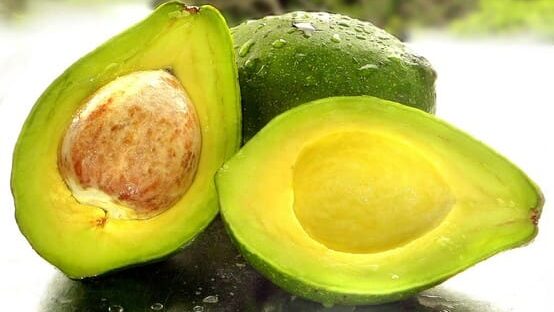
GHANA – Ghana’s avocado sector could generate between €1.5 billion (approx. US$1.7 billion) and €2 billion (approx. US$2.3 billion) annually and create more than 150,000 direct and indirect jobs across farming, processing and export services, according to an analysis by Elikem Desewu, which positions the crop as a potential turning point in the country’s commodity export history.
First, Desewu argues that Ghana has repeatedly exported raw commodities while other countries have captured larger margins through processing, branding and distribution.
Secondly, cocoa is the clearest example: Ghana grows the crop, but the value in chocolate, cosmetics, and processed cocoa products is captured elsewhere. Gold, timber and crude oil have followed the same pattern.
Therefore, by prioritizing industrial processing over raw exports, Ghana could generate billions in annual revenue and create thousands of new jobs, while ensuring that value-added profits remain within the country.
On the other hand, over the long term, the analysis places avocado well ahead of competing assets. For instance, a commercial avocado orchard using modern production systems could generate US$15,000 to US$30,000 annually, and between US$525,000 and US$1.05 million over 35 years.
While a comparable cocoa investment is projected to yield US$4,000 to US$7,000 per year, with a 35-year ceiling of around US$245,000, a US$100,000 residential rental property, at roughly US$300 per month, would generate about US$126,000 over the same period before maintenance and vacancy costs.
Commercial avocado orchards, therefore, offer significantly higher long-term financial returns than real estate or conventional farming investments.
Furthermore, the analysis states that fresh avocado exports should not be Ghana’s ultimate ambition. The stronger opportunity lies in supplying factories that produce avocado oil, skincare ingredients, nutraceutical inputs, and export-ready branded goods for regional and international markets.
As a result, these high-value processed products would capture margins currently accruing to foreign processors and manufacturers.
Desewu identifies GIRSAL, the Development Bank of Ghana, EXIM Bank, pension funds, and private investors as essential sources of finance, all critical to this transformation.
If avocados anchor a wider exotic-crops economy that includes macadamia, citrus, mango, cashew and dragon fruit, Desewu projects total export revenues of €3 billion to €4.5 billion annually within 10 to 15 years.
In the end, this strategic shift aims to integrate avocados into a broader exotic-fruit economy, which could fundamentally transform Ghana’s position in the global market through value addition and sustainable tree-crop infrastructure.
Sign up HERE to receive our email newsletters with the latest news and insights from Africa and around the world, and follow us on our WhatsApp channel for updates.