

Kenya approves gene-edited BXW-resistant banana for field trials as conventional crop
Success could provide a sustainable and cost-effective defence against a pathogen that currently threatens regional banana and plantain production.
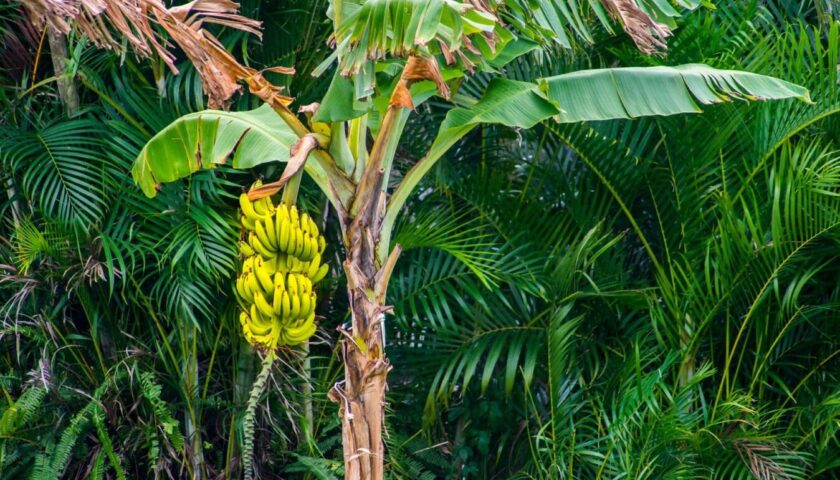
KENYA – Kenya’s National Biosafety Authority has approved confined field trials of a gene-edited banana developed to resist Banana Xanthomonas Wilt, marking the first home-grown gene-edited crop approved as a conventional product rather than a GMO.
The approval allows researchers from the International Institute of Tropical Agriculture (IITA) and the Kenya Agricultural and Livestock Research Organization (KARLO) to begin field evaluations of the banana under local growing conditions. The trials will assess disease resistance, yield performance, and adaptability.
“This is the first home-grown gene-edited crop to be approved in Kenya as a conventional product, not classified as a genetically modified organism, marking a significant milestone in the country’s agricultural biotechnology landscape,” said Dr Leena Tripathi, Eastern Africa Hub Director and Principal Investigator.
To begin with, BXW is caused by the bacterium Xanthomonas campestris pv. musacearum. The disease disrupts water transport in the plant, causing leaves to wilt and dry. Infected fruit ripens prematurely, becomes discoloured, and is unsuitable for consumption or sale.
Additionally, the disease can spread via infected planting material, contaminated tools, insects that visit banana flowers, and the movement of infected plant parts.
Current control measures include removing infected plants, disinfecting tools, removing male buds, and using clean planting material. These practices can be labour-intensive and difficult for smallholder growers to maintain consistently.
Furthermore, the banana was developed using genome-editing technology that modifies existing genes to enhance resistance without introducing foreign DNA. Because the crop does not contain genes from another organism, Kenya’s biosafety regulator determined that it does not fall within the category of a genetically modified organism.
This distinction makes gene-edited bananas fundamentally different from traditional GMO crops, which contain foreign genetic material and are therefore regulated as conventional products.
“This approval marks a major milestone in efforts to strengthen food security and protect banana farmers from devastating crop diseases,” added Dr. Tripathi. “The field trials will generate data on the banana’s resistance, yield performance, and adaptability before any future release to farmers is considered.“
Success could provide a sustainable and cost-effective defence against a pathogen that currently threatens regional banana and plantain production.
Moreover, the new gene-edited banana could offer a long-term, more affordable solution to the disease challenge, eliminating the need for labour-intensive containment measures.
Lastly, this milestone reflects Kenya’s broader commitment to using biotechnology to enhance food security and address agricultural challenges.
Sign up HERE to receive our email newsletters with the latest news and insights from Africa and around the world, and follow us on our WhatsApp channel for updates.