

Iran bans food and agricultural exports as US-Israel strikes escalate Middle East tensions
Iran halts all food exports, oil prices surge, and regional tensions deepen following US and Israeli strikes on the Islamic Republic.
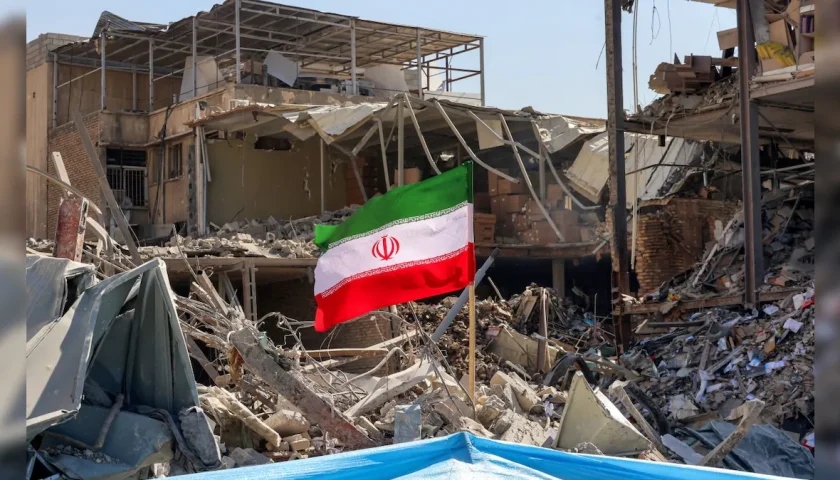
IRAN – Iran has banned the export of all food and agricultural products until further notice, citing the need to prioritize domestic supply amid mounting economic and security pressures.
“The export of all food and agricultural products has been banned until further notice,” Tasnim News Agency reported, citing a government statement. “The government has prioritised the supply of essential goods for the people,” it added.
International media outlets describe Tasnim as a semi-official news agency associated with Iran’s Islamic Revolutionary Guard Corps.
Iran activated contingency measures after the United States and Israel launched coordinated strikes on Saturday, reportedly killing the country’s supreme leader and several senior military commanders.
The escalation followed the third round of nuclear negotiations between Tehran and Washington held in Geneva on February 26 under US President Donald Trump.
The talks were widely viewed as a final diplomatic effort to resolve disputes over Iran’s nuclear programme.
However, no agreement was reached after Tehran refused to halt uranium enrichment, dismantle nuclear facilities or accept indefinite restrictions. Israel’s Defense Minister Katz said the airstrikes were “preemptive,” underscoring the country’s security concerns.
According to data from the United States Department of Agriculture, Iran produces about 18% of global pistachios, 6% of cherries and 2% of the world’s barley supply. The export ban could tighten global agricultural markets.
As tensions spread across the Middle East, Kuwait also announced a temporary suspension of food commodity exports. The Kuwait News Agency quoted Minister of Commerce and Industry Osama Boodai as saying the decision would “protect consumers and enhance market stability.”
Energy markets reacted sharply. Brent crude futures climbed to US$80.94 per barrel, up more than 4% on the day and over 14% in five days. On Monday, QatarEnergy halted gas production, further driving price volatility.
President Trump also stated the US would “cut off all trade with Spain” after Spain declined to allow American bases to be used for the strikes on Iran.
Sign up HERE to receive our email newsletters with the latest news and insights from Africa and around the world, and follow us on our WhatsApp channel for updates.

