Ivory Coast rolls out five-year plan to expand fisheries, aquaculture output
Authorities aim to grow aquaculture output to 35,000 tonnes by 2031
IVORY COAST – Côte d’Ivoire has launched a five-year initiative to increase domestic fish production, as the country continues to depend heavily on imports to meet consumption needs.
The Project for the Development of Competitive Value Chains in Aquaculture and Sustainable Fisheries, known as ProDeCAP, was officially introduced on March 26 with support from the Food and Agriculture Organisation, to improve the sector’s contribution to the economy and food supply.
Authorities say local production currently satisfies less than 15% of national demand, a gap that has kept the country the largest importer of fish products in West Africa.
Investment and implementation plan
The program is backed by a budget of €28.95 million, equivalent to about US$33.1 million, with 85% financed through a loan from the African Development Bank and the remainder provided by the government and partners.
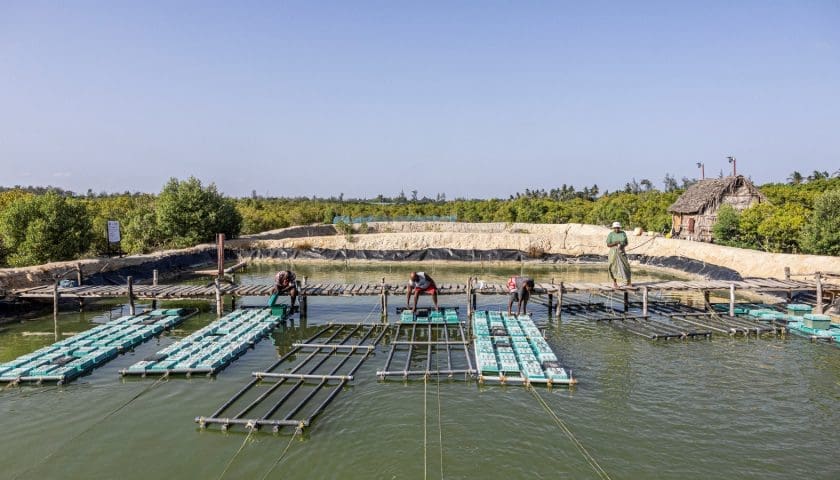
Implementation will focus on improving sector governance, managing marine and inland fisheries resources, expanding aquaculture activities, and improving efficiency across value chains.
The initiative is expected to reach around 700,000 beneficiaries, including 50,000 involved in aquaculture and approximately 650,000 operating in capture fisheries.
Project activities will be carried out across coastal zones such as Abidjan and San Pedro, as well as inland water systems and agricultural lowlands in central regions, including Bouaké and Yamoussoukro.
Officials expect the aquaculture segment to expand significantly, with output projected to rise from 8,806 tonnes recorded in 2023 to 35,000 tonnes by 2031.
Production decline and rising imports
The program comes as the fisheries sector has struggled to regain its 2018 production level of 113,637 tonnes, with output falling to 87,228 tonnes in 2023, representing a decline of 23.23% over five years.
Analysts point to persistent constraints, including post-harvest losses, weak infrastructure, climate-related impacts on fish stocks, widespread illegal fishing, and limited access to financing for operators.
As domestic supply has weakened, imports have increased sharply, driven by growing demand in urban areas such as Abidjan.
Data from customs authorities show fish import volumes rose from about 388,000 tonnes in 2015 to more than 732,000 tonnes in 2024, reflecting an increase of nearly 90%.
Over the same period, the cost of imports climbed from 229 billion FCFA, or about US$411.7 million, to over 518 billion FCFA, equivalent to more than US$930 million, indicating a significant increase in expenditure on imports.
Sign up HERE to receive our email newsletters with the latest news and insights from Africa and around the world, and follow us on our WhatsApp channel for updates.