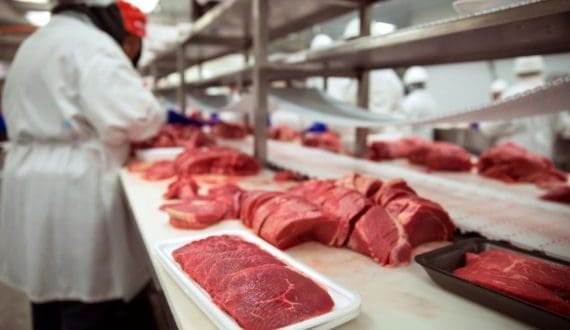

JBS Australia plans new protein recovery facility in Melbourne
JBS Australia is moving forward with a specialised B2B ingredients plant in Melbourne to process porcine by-products into high-value materials using advanced rendering technology.
AUSTRALIA – JBS Australia is advancing plans to establish a new B2B ingredients processing facility in Melbourne, focused on recovering value from porcine by-products.
The proposed Protein Recovery Facility will utilize a modern continuous dry rendering process to produce tallow, oil, and high-protein meal.
These ingredients are supplied both domestically and internationally to sectors including food, pharmaceuticals, animal nutrition, and manufacturing.
According to the company, the facility is slated to handle a processing capacity of approximately 15 tonnes per hour, equating to roughly 200 tonnes per day.
Construction timelines and production start dates remain pending, as they depend on securing all necessary regulatory approvals and finalizing detailed planning.
JBS indicated these details will be confirmed once approvals are obtained.
The new site will integrate with the company’s existing pork operations at Laverton, where the facility will employ about five full-time staff, with additional support drawn from the adjacent pork plant.
JBS highlighted the project as a step toward greater supply-chain efficiency and improved environmental performance.
The facility will feature state-of-the-art controls for odor and wastewater management, enclosed transfer systems, including a sealed pipeline link to the nearby abattoir—to cut down on truck movements and minimize raw material exposure to air.
Overall, the investment is positioned to enhance vertically integrated processing and bolster the long-term sustainability of Australia’s pork supply chain.
This development fits into JBS’s broader investment strategy in the region and beyond.
In Australia, the company employs around 17,000 people and operates 19 meat processing facilities, six cattle feedlots, 19 piggeries, nine salmon hatcheries, and three salmon farming regions.
Notable recent moves include a A$110 million (US$77M) commitment in July 2024 to expand Huon Aquaculture’s land-based Whale Point farm in Tasmania, which includes a new hatchery for rearing up to seven million fish.
More broadly, JBS has been expanding its global footprint, such as shipping its first beef consignment to Vietnam in July 2025 and forming a joint venture in Oman earlier this year to build presence in the Middle East.
In contrast, the group recently closed its Swift Beef Company case-ready plant in Riverside, US, in February, affecting over 300 jobs.
Sign up HERE to receive our email newsletters with the latest news and insights from Africa and around the world, and follow us on our WhatsApp channel for updates.