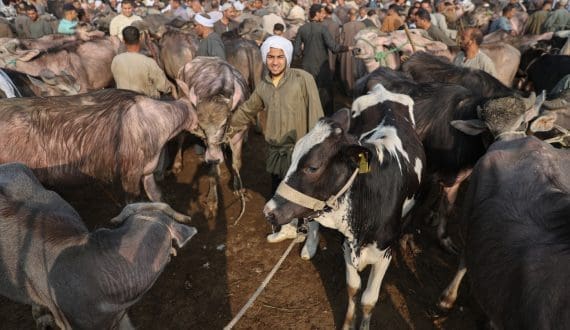
Tight global beef supplies, China import quotas reshape 2026 trade outlook
China’s new import quota system is expected to alter international beef trade patterns
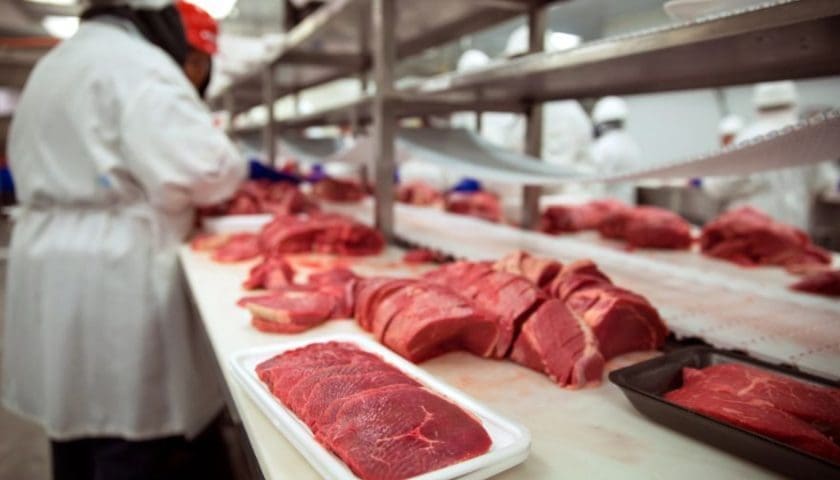
WORLD – A new quarterly outlook from Rabobank’s research division, RaboResearch, indicates that tightening cattle supplies and fresh import controls introduced by China could alter global beef trade patterns and create price fluctuations in 2026.
The analysis prepared by senior analysts Angus Gidley-Baird and Lance Zimmerman states that China’s quota policy, announced toward the end of 2025, is likely to influence export volumes among leading beef suppliers and redirect shipments across international markets.
Rising cattle prices remain a consistent trend across global markets as supply constraints persist in several major producing regions.
Prices in North America fell slightly during the final months of 2025 but have resumed an upward trajectory in the first months of 2026 as the availability of slaughter-ready cattle tightens.
Meanwhile, cattle markets in the Southern Hemisphere are gradually adjusting to higher international prices as reduced supply in Northern Hemisphere countries influences global benchmarks.
Production levels in key exporting regions such as the United States, New Zealand, and Europe are currently tracking below the average volumes recorded between 2021 and 2025.
Recent inventory data released in early February shows that the US beef cow herd has fallen to its lowest level in 75 years.
According to the Rabobank report, output from major exporting nations is projected to drop beneath the five-year average by the middle of 2026.
Exports from Brazil reached record levels in January, supplying demand in Northern Hemisphere markets where domestic production remains limited.
However, the report anticipates that Brazilian export volumes will decline during the remainder of the year as production slows.
China’s quota restrictions may also result in a larger-than-expected reduction in Brazilian beef production in 2026.
In contrast, Australia remains among the few producers maintaining output above its five-year average, providing some stability to global supply.
US beef regains Australian market access
Against the backdrop of tightening supply, beef produced in the United States has officially returned to the Australian market for the first time in 23 years.
The resumption of trade was recognised during an event held at the US Consulate in Sydney on February 24.
The trade suspension had been in place since 2003, before Australian authorities approved the re-entry of American beef shipments.
Guests at the event were served several grain-fed cuts graded USDA Choice and Prime, including rib roasts, burgers and southern-style barbecued ribs.
Products presented during the reception were supplied by processors, including Tyson Foods, along with exporters based in the US Midwest.
Participants at the gathering included wholesalers, restaurant operators, food service executives, government officials and social media figures connected to the food sector.
US Consul General Jeremy Cornforth said agricultural exports from the United States to Australia reached US$700 million in the previous year and suggested the reopening could expand bilateral trade.
Representatives from the US Meat Export Federation said the decision followed years of negotiations involving the Office of the US Trade Representative and the US Department of Agriculture.
According to the federation, the United States imported about 480,000 tonnes of Australian beef valued at roughly US$3.6 billion in the previous year, accounting for nearly 25% of Australia’s total beef exports.
Sign up HERE to receive our email newsletters with the latest news and insights from Africa and around the world, and follow us on our WhatsApp channel for updates.