

Kenya launches zero-tariff exports to China, boosting avocado and coffee trade
The Madaraka Express directly links to Mombasa port, enabling seamless transfer to ocean freighters bound for Asian destinations.
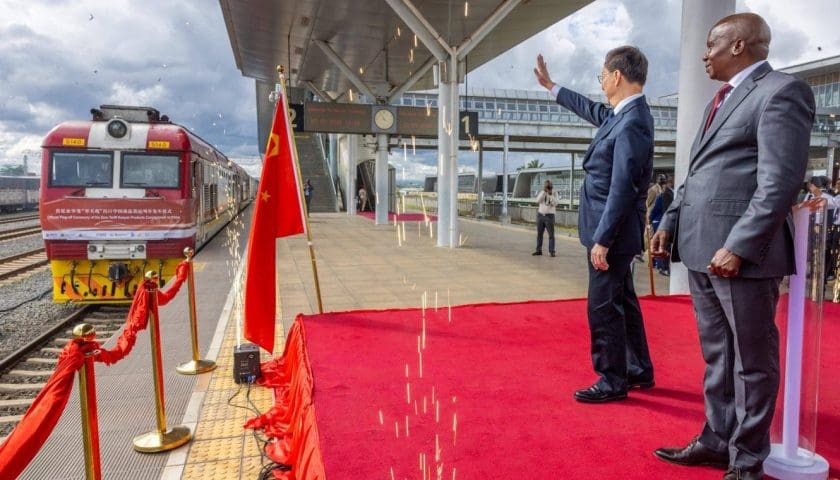
KENYA – Kenya has flagged off its first zero-tariff export consignment to China, marking a strategic shift in bilateral trade that directly benefits the country’s fresh produce sector.
The inaugural shipment, dispatched from Nairobi Terminus, included avocado oil, frozen avocados, coffee, and pet pallets, highlighting Kenya’s push toward value-added agricultural exports.
Madaraka Express: A Logistics Advantage
The cargo travelled via the Madaraka Express Freight Service, a rail-based containerized and bulk transport system operated by Kenya Railways. The service offers daily connections between the Port of Mombasa, Nairobi, and Naivasha, strengthening logistics along the Northern Corridor, a critical artery for the movement of fresh produce from inland production zones to international markets.
For food exporters, rail transport offers consistent temperature control and shorter transit times than road alternatives, both of which are essential for preserving the integrity of perishable cargo. The Madaraka Express directly links to Mombasa port, enabling seamless transfer to ocean freighters bound for Asian destinations.
Zero-Tariff Framework Opens Market Access
The shipment marks the first consignment under the Early Harvest Agreement, a preferential trade framework that allows selected African goods to enter the Chinese market without tariffs.
Deputy President Kithure Kindiki and China’s Vice President Han Zheng officiated the flag-off ceremony during the latter’s official visit to Kenya, which focused on deepening bilateral relations in trade, infrastructure, and investment.
Officials confirmed the zero-tariff arrangement is expected to create new opportunities for Kenyan exporters by lowering trade barriers and expanding access to China’s vast consumer base. The initiative also reflects broader engagement under the Forum on China-Africa Cooperation (FOCAC) framework.
Implications for Fresh Produce Investors
For regional food industry stakeholders, duty-free access to China reshapes investment calculations for avocado and coffee value chains.
For instance, frozen avocado exports require robust cold chain infrastructure, from controlled-atmosphere storage at origin to temperature-monitored rail and ocean transport. Kenya’s ability to maintain product quality through this corridor will determine its competitiveness against established suppliers such as Peru, Chile, and South Africa.
Additionally, the launch of the zero-tariff export programme is expected to enhance Kenya’s global trade competitiveness while improving logistics connectivity linking production zones with international markets.
As value-added products like avocado oil gain tariff-free access, investors may accelerate expansions of processing facilities to capture higher margins along the supply chain.
Sign up HERE to receive our email newsletters with the latest news and insights from Africa and around the world, and follow us on our WhatsApp channel for updates.

