

Kenya moves to cushion economy from Middle East supply disruptions
Kenya assures stability in fertiliser supply and trade flows as Middle East tensions disrupt global markets and impact key exports such as tea.
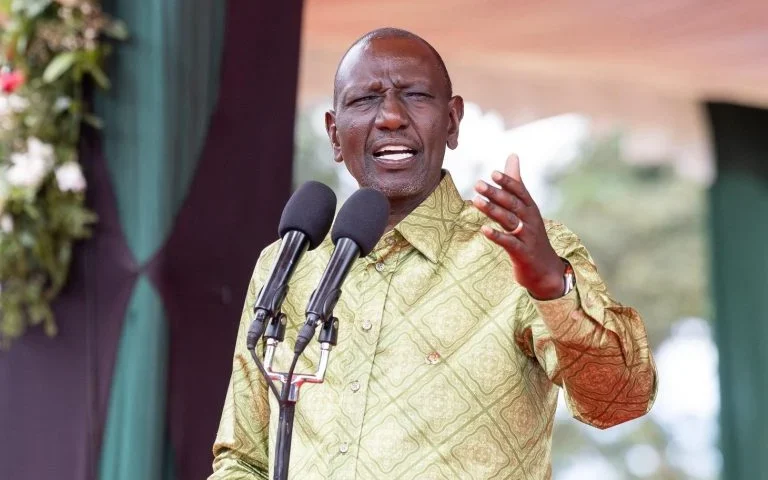
KENYA – Kenya has reassured citizens that it is implementing measures to protect the economy from global supply disruptions linked to ongoing tensions in the Middle East.
In a statement issued on Monday, President William Ruto said the conflict in the Gulf region is already affecting international markets, with ripple effects being felt across global supply chains.
He noted that the government is closely monitoring the situation through updates from key ministries, including Energy, Agriculture, and Trade, alongside financial institutions and private sector stakeholders.
Ruto assured farmers that there is no immediate threat to fertiliser availability, stating that the country has adequate stocks to support the current planting season through September.
On exports, particularly tea, the President said performance remains resilient, supported by efforts to diversify markets and strengthen trade partnerships. “Latest data indicates that we exported 81 per cent of tea offered for auction this month, compared to 75 per cent in March 2025,” said Ruto.
However, industry stakeholders have reported challenges. Last week, East African Tea Trade Association (EATTA) Managing Director George Omuga said the sector is facing significant losses due to disruptions in the Middle East market.
“We export about 20–25 percent of our teas to the Middle East, and we have lost the market due to the ongoing conflict. Some 8–10 million kilos of tea worth more than Ksh3 billion (US$23.12 million) are held in warehouses and at the port of Mombasa since the conflict began,” Omuga said.
Ruto highlighted increased activity at key entry points, including the ports of Mombasa and Lamu, which he described as critical for sustaining trade flows. He noted that Lamu Port has recorded a rise in cargo volumes, including over 4,000 vehicles destined for Gulf markets.
“This underscores the strategic importance of our port infrastructure, whose capacity and efficiency we continue to enhance,” he said.
While acknowledging logistical challenges affecting sectors such as meat exports, the President said the government is working to support affected businesses.
“The Ministries of Trade and Agriculture will collaborate to explore alternative solutions to support exporters in this sector,” Ruto said.
Sign up HERE to receive our email newsletters with the latest news and insights from Africa and around the world, and follow us on our WhatsApp channel for updates.

