

Kenyan tea exporters turn to costly air freight as Mombasa port delays threaten UK supply contracts
Port congestion forces Kenyan tea exporters to absorb soaring airfreight costs to protect the crucial UK market.
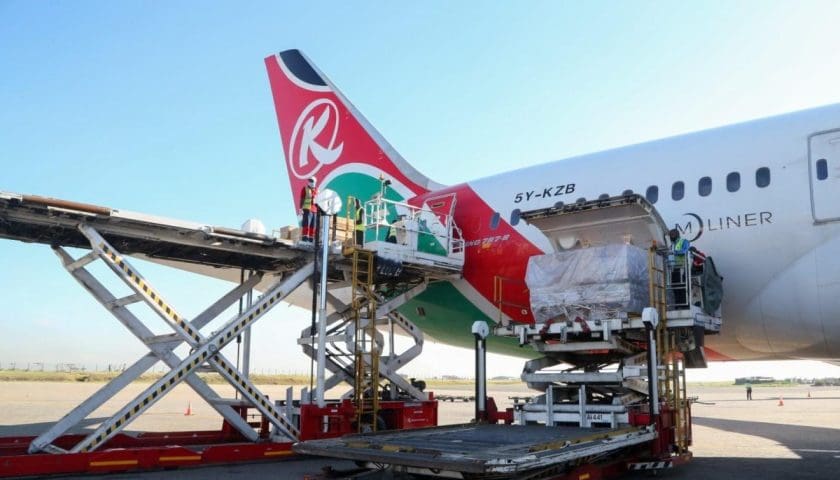
KENYA – Kenyan tea exporters are paying up to eight times more to airlift consignments to the United Kingdom as severe congestion at the Port of Mombasa disrupts shipping schedules and threatens the country’s standing in the global tea trade, the Tea Buyers Association (TBA) has said.
TBA chairman Peter Kimanga said exporters have been left with little option but to rely on air freight to meet contractual obligations and avoid reputational damage in one of Kenya’s most strategic export markets.
“Currently, we are paying US$2 per kilo to transport tea to the UK compared to $0.25 when shipping by sea. The costs are unbearable, but we have no choice as demand during this season in the UK is very high,” Kimanga said.
He added that exporters are incurring significant losses but are absorbing the costs to maintain market access. “The UK market is very sensitive, and once we fail to supply on time, the country will be categorised as an irregular supplier, which will affect future tea sales. We need to protect the UK market after losing the Sudan and Iran markets,” he said.
The TBA also said port congestion is disrupting imports of packaging materials, with some consignments reportedly stuck at Mombasa port for more than three weeks. Exporters say these delays are compounding operational challenges and raising overall costs.
Industry players blame the crisis on poor coordination among port authorities, shippers, government agencies, cargo owners, freight forwarders and inland transport operators, with congestion now said to be at its peak.
“KPA and KRA have unveiled joint measures aimed at reducing cargo dwell time and expediting customs clearance,” Kenya Ports Authority managing director William Ruto said, referring to collaboration with the Kenya Railways Corporation.
“The interventions are part of a broader government strategy to improve cargo evacuation, particularly for long-stay containers, and reinforce the Northern Corridor’s competitiveness as the region’s primary trade artery,” he told The EastAfrican.
Despite these measures, challenges persist. On average, more than 500 empty containers remain on trucks daily due to limited space at the six designated empty container depots. Shipping lines are reportedly paying over US$38,497 a day for vessels waiting to berth.
The rising cost of cargo delivery has also altered regional shipping patterns, with more vessels now preferring Dar es Salaam over Mombasa. Previously, ships typically docked in Mombasa before heading to Tanzania.
The Kenya Ships Agents Association said congestion is placing heavy financial strain on shipping lines. “Port congestion at Mombasa continues to place heavy operational and financial pressure on shipping lines,” said KSAA chief executive Elijah Mbaru. “When vessels remain idle for extended periods, costs escalate rapidly, with crew costs also rising as delays extend working time and welfare obligations.”
Sign up HERE to receive our email newsletters with the latest news and insights from Africa and around the world, and follow us on our WhatsApp channel for updates.