

Kenya’s CS Kagwe defends 4% sugar development levy to boost sector growth
Agriculture ministry insists levy is essential to fund cane development, factory upgrades, and research despite industry pushback.
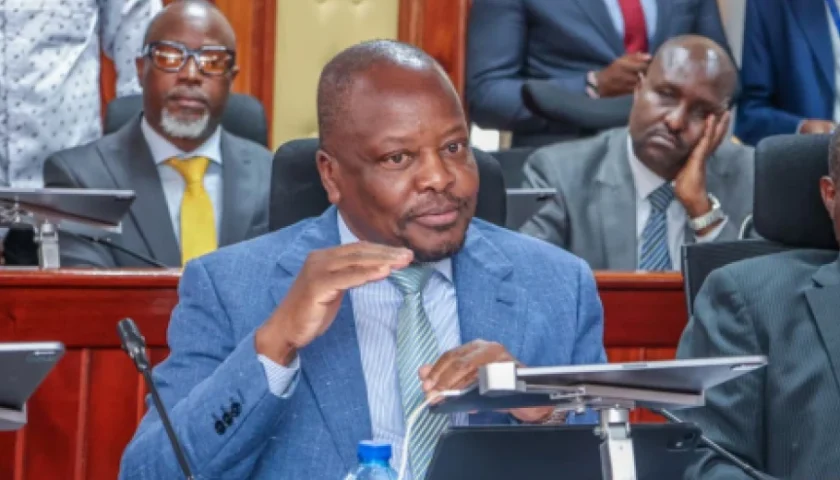
KENYA – Kenya’s Cabinet Secretary for Agriculture and Livestock Development, Mutahi Kagwe, has defended the 4 percent Sugar Development Levy before the Senate Committee on Delegated Legislation.
Appearing with Kenya Sugar Board CEO Jude Chesire, Kagwe said the levy, which came into effect in July 2025, is critical to ensuring sustainable growth in the sugar sector. This comes despite calls from some stakeholders to cut the levy to 1 percent or raise it to 10 percent.
“Maintaining the rate at 4% is not about burdening the industry, but about aligning resources to the scale and scope of today’s challenges and opportunities,” Kagwe told the committee.
The levy was introduced under the Sugar Act 2024, with proceeds earmarked for specific industry priorities. Forty percent of collections will go toward cane development, 15 percent to factory rehabilitation, another 15 percent to research and training, 15 percent to infrastructure projects, 10 percent to the Kenya Sugar Board’s administration, and 5 percent to farmer organizations.
Kagwe noted that the funds are crucial in addressing persistent cane shortages, supporting new milling investments in Transmara and Bura, and replacing outdated cane varieties with improved drought- and disease-resistant options.
He added that the Kenya Sugar Research and Training Institute (KESRETI), whose role has been expanded under the Act to include training, also requires significant resources to strengthen its curriculum and infrastructure.
“The 4% levy ensures adequate and sustainable financing to meet these expanded obligations,” Kagwe emphasized.
The CS further stated that the government is working with millers to promote local industrial sugar production to reduce dependence on imports.
The levy applies to all local millers and sugar importers. For locally produced sugar, it is calculated on the ex-factory price, while imported sugar is charged based on the cost, insurance, and freight (CIF) value of consignments.
The Kenya Revenue Authority (KRA) is responsible for collecting the levy and channeling it into the Sugar Development Fund.
The Senate Committee is set to review the ministry’s proposal alongside submissions from industry stakeholders before making a final decision on whether to retain or revise the current rate.
Sign up HERE to receive our email newsletters with the latest news and insights from Africa and around the world, and follow us on our WhatsApp channel for updates

