

Malaysia says pork supply steady ahead of Chinese New Year
China’s recent pork output rise offers mixed signals for regional trade
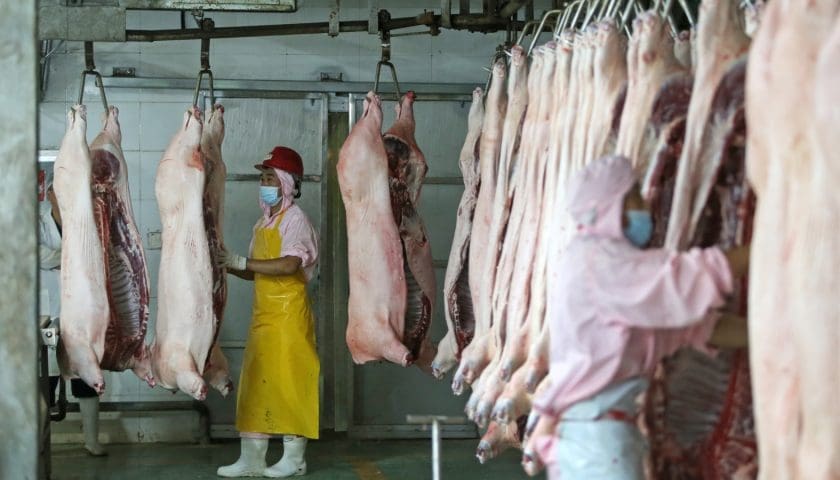
MALAYSIA – Malaysia will have enough pork to meet demand during the Chinese New Year period despite farm closures and disease-related disruptions, according to Deputy Agriculture and Food Security Minister Chan Foong Hin.
Speaking to reporters at Parliament, Chan said the pork market in Peninsular Malaysia has already adjusted to the loss of supply from Selangor, with about 60% of current output coming from farms in Perak and additional volumes arriving from other states and overseas sources.
He explained that pork production in Selangor has been minimal since last year after Sultan Sharafuddin Idris Shah ordered the shutdown of pig farming operations in Tanjong Sepat on January 12, a decision that followed prolonged environmental and regulatory concerns.
Plans to move affected farms to Bukit Tagar have since been put on hold, with Selangor Mentri Besar Datuk Seri Amirudin Shari confirming on January 26 that the relocation proposal would not proceed for now.
According to Chan, the impact of the closures had already been priced into supply conditions because farms in Tanjong Sepat were hit by African swine fever last year, leading to a sharp fall in output well before the formal ban took effect.
To bridge the gap, he said domestic production from Perak and other regions has been supplemented by imported frozen pork, keeping overall availability stable during the festive season.
Chan also told reporters that pork prices are expected to hold steady following discussions with major producers in Perak, dismissing concerns that the seasonal demand spike would trigger price increases.
Regional context
The assurance comes against a backdrop of changing dynamics in China’s pork sector, where official data recently pointed to a year-end increase in production after fourth-quarter output rose by about 7 percent from a year earlier.
Market analysts have said the increase was largely driven by faster slaughter rates as producers responded to tight profit margins, volatile feed costs, and efforts to manage herd sizes rather than by confidence in sustained expansion.
As a result, the production rise is widely seen as supply being brought forward, a pattern that has previously led to tighter hog availability once breeding herds and on-farm inventories are reduced.
Despite the late-year uptick, China’s pork industry continues to contend with frequent price swings, disease risks, and structural pressures that influence decisions on culling and herd retention.
Government steps to manage price volatility have reduced extreme fluctuations, but uncertainty remains a central feature of the market, shaping cautious production strategies.
For exporters, analysts say China’s higher domestic output may limit near-term import demand, while accelerated slaughter now could set the stage for renewed buying later in 2026 if local supplies tighten again.
Sign up HERE to receive our email newsletters with the latest news and insights from Africa and around the world, and follow us on our WhatsApp channel for updates.