Middle East conflict disrupts maritime logistics, threatens to reshape global fruit trade
The financial implications extend beyond freight.
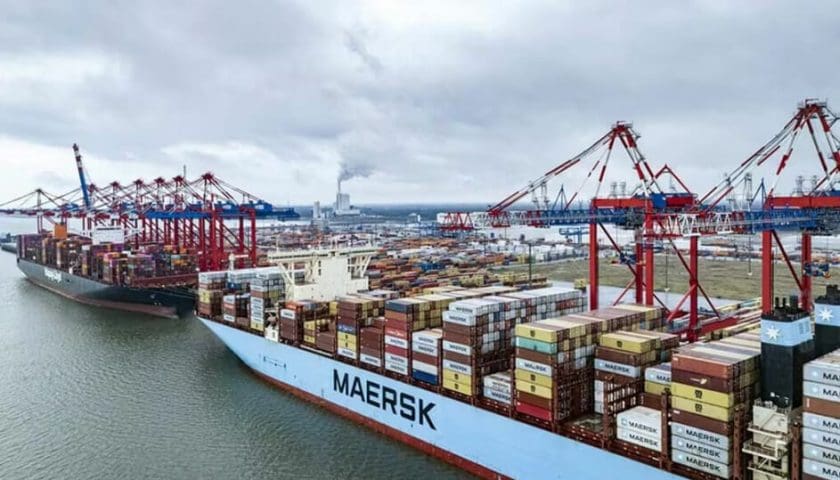
GLOBAL – Escalating geopolitical tensions in the Middle East are sending shockwaves through global maritime logistics, forcing major shipping lines to cancel routes and divert vessels away from conflict zones.
The disruptions, centered around heightened risks in the Red Sea and Suez Canal corridors, threaten to reshape Southern Hemisphere fruit trade flows and squeeze producer margins worldwide.
Chilean agribusiness consultant Giorgio Peirano explains that insurers have withdrawn coverage for ships transiting the affected area, prompting carriers to reroute via the Cape of Good Hope. “This decision implies longer voyages and higher operational costs that could eventually be passed on to freight rates,” he notes.
The Suez Canal, through which 12% to 13% of global trade passes, remains operational, but the surrounding risk has fundamentally altered shipping economics.
Hotels and restaurant groups relying on just-in-time deliveries of imported fresh produce face extended lead times and potential spoilage risks. Perishable goods that typically transit the Red Sea now spend additional weeks at sea, testing cold chain integrity and shortening shelf life upon arrival.
While direct fruit exports to the Middle East from Latin American producers like Chile represent only 2% to 3% of total volumes, Peirano warns that the greater risk lies in market displacement.
“Competing countries such as South Africa, which export large volumes of apples, grapes, pears, and citrus to the Middle East, could be forced to redirect their supply to other markets if the conflict affects their traditional destinations,” he said.
The financial implications extend beyond freight. Oil prices have fluctuated wildly, approaching US$100 per barrel before retreating to US$80, directly impacting bunker fuel costs.
“Because this is a commodity market, rising costs cannot always be passed on to the final price, which in some cases could translate into lower margins or even losses for producers.”
Fertilizer markets face similar pressure. Although supply may normalize if tensions ease, sustained conflict could constrain agricultural inputs, affecting future crop cycles and yields.
For regional hoteliers and food service operators, redirected global fruit exports could temporarily lower costs if Southern Hemisphere producers seek alternative buyers in Middle Eastern markets.
Peirano recommends maintaining commercial flexibility, strong customer relationships, and utilizing financial hedging tools to manage currency and logistics risks. “These events have happened before, and markets usually adjust over time,” he concludes.
Sign up HERE to receive our email newsletters with the latest news and insights from Africa and around the world, and follow us on our WhatsApp channel for updates.