Kenyan meat exporters face US$7.3M losses as Middle East conflict disrupts trade
Exports halted due to Iran-Israel conflict; hundreds of tonnes of meat stuck in storage.
KENYA – Kenyan meat exporters have reported losses of approximately US$7.3 million (KSh1 billion) in the days following cargo flights to the Gulf region being suspended amid rising tensions between Iran and Israel.
Airlines have grounded flights carrying perishable meat products to key Middle Eastern markets, including the United Arab Emirates, Saudi Arabia, Oman, and Kuwait, interrupting established export routes.
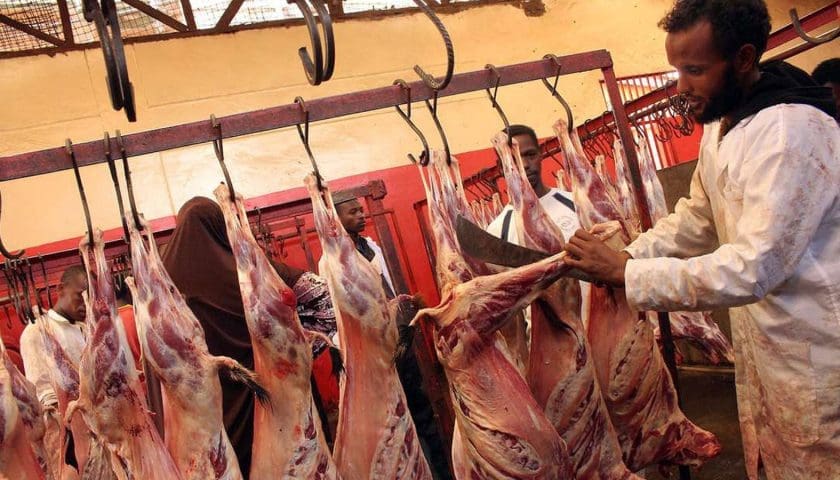
Industry sources indicate that over 200 tonnes of chilled and frozen beef and goat meat are currently held in cold storage facilities across Kenya, awaiting shipment to overseas buyers.
The disruption has forced exporters to absorb financial losses as products intended for the Gulf countries during the Ramadan season remain unsold.
Nicholus Ngahu, CEO of the Kenya Meat Livestock Exporters Industry Council (KEMLEIC), said slaughtering operations have been suspended since Monday, with meat processed over the weekend still unsent.
Ngahu added that the backlog and halted operations have contributed directly to the estimated US$7.3 million loss over the five-day period.
Logistics have been further complicated by flight cancellations and diversions, with some planes returning to Kenya after failing to complete deliveries, prompting exporters to move products back to slaughterhouses for storage.
Dennis Muraya, Director at Konza Clearing Agency, noted that limited cargo availability has pushed transport costs higher, with freight rates doubling or tripling due to flight shortages.
Slaughterhouses have had to adjust production schedules, with some facilities reducing operations or asking staff to stay home while awaiting resumption of exports.
Waweru Kamau, Production Manager at Juja International Abattoirs, said facilities that typically export between 125 and 130 tonnes daily now have meat from Friday still sitting in chillers.
Industry stakeholders warn that prolonged instability in the Middle East could affect not only meat exports but also other agricultural products, including tea and flowers, which rely on the region for market access.
Exporters are monitoring the situation closely, as continued conflict could lead to further delays, higher logistical expenses, and potential spoilage of perishable goods.
Sign up HERE to receive our email newsletters with the latest news and insights from Africa and around the world, and follow us on our WhatsApp channel for updates.