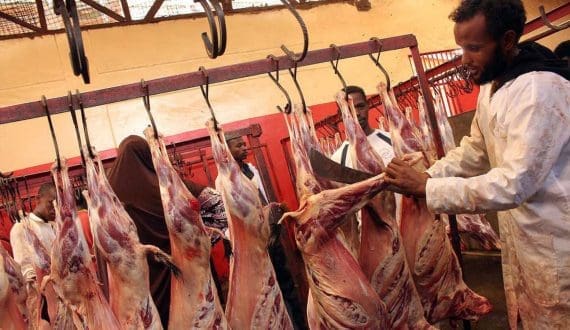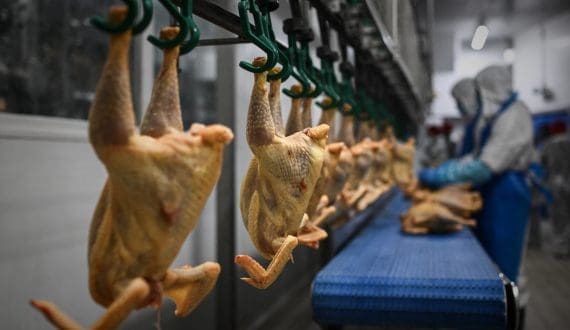

Saudi Arabia reports poultry output above 1.31 million tons while tightening import restrictions
Food safety regulator maintains bans or restrictions on poultry imports from more than 50 countries
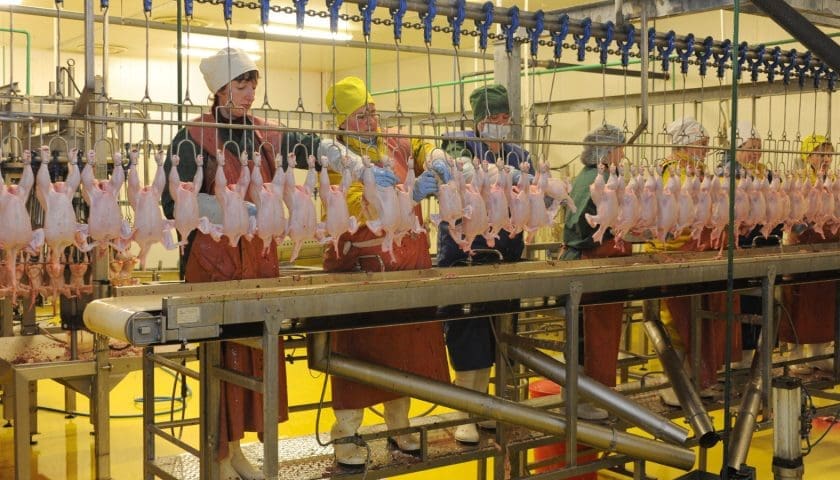
SAUDI ARABIA – The Ministry of Environment, Water and Agriculture said national poultry meat production has surpassed 1,310,000 tons.
The ministry described poultry farming as a major agricultural activity in the Kingdom, citing its role in supplying protein to consumers while also contributing to national food security and domestic production capacity.
Officials released the figures as part of the “From the Bounty of Our Land” campaign, an initiative encouraging residents to buy locally produced food during Ramadan when consumption of staple products typically rises.
According to the ministry, poultry meat remains widely consumed in the country due to its nutritional composition and the variety of ways it can be prepared in traditional dishes served during the fasting month.
The agency added that poultry contains significant amounts of protein along with several vitamins and minerals, making it a common ingredient in diets across different income groups.
Authorities also reported that poultry farms in the country operate through an integrated production system that incorporates modern breeding techniques and feeding practices intended to meet domestic demand.
In addition, the ministry said producers apply food safety and quality management procedures designed to ensure a consistent supply to the domestic market while maintaining consumer confidence in locally raised poultry.
The government has been promoting domestic agricultural output as part of broader economic and food-supply objectives aligned with Saudi Vision 2030.
Import controls introduced
At the same time, the Saudi Food and Drug Authority announced restrictions affecting poultry meat and table egg imports from dozens of international suppliers as part of disease prevention measures.
The regulator confirmed a full import ban on poultry products from 40 countries while also imposing regional restrictions within 16 additional nations where animal health concerns have been reported.
Authorities explained that the controls are intended to reduce the risk of disease transmission through imported poultry products while monitoring developments in global animal health reports.
The list of affected countries will be reviewed periodically, the authority said, allowing officials to revise the restrictions if disease conditions change in exporting markets.
Disease monitoring
Information reviewed by the local newspaper, Okaz, indicates that some trade restrictions were introduced as early as 2004, while others were implemented later following new assessments related to disease outbreaks.
Health surveillance by the regulator has largely focused on the spread of Highly Pathogenic Avian Influenza, a virus that has triggered poultry trade disruptions and import controls in multiple regions worldwide.
Under the latest update, poultry meat and egg imports are fully banned from countries including Germany, the United Kingdom, China, South Africa, Egypt, India, Japan, South Korea, Mexico, Vietnam, and several others.
Meanwhile, partial restrictions apply to specific regions within countries such as the United States, Australia, France, Canada, Italy, Belgium, Malaysia, and the Democratic Republic of the Congo, where authorities continue monitoring poultry disease reports.
Sign up HERE to receive our email newsletters with the latest news and insights from Africa and around the world, and follow us on our WhatsApp channel for updates.