

Morocco halts tomato exports to Europe, Africa as domestic prices hit US$1.50 per kg
For agricultural investors, Morocco’s trade shift presents both challenges and opportunities.
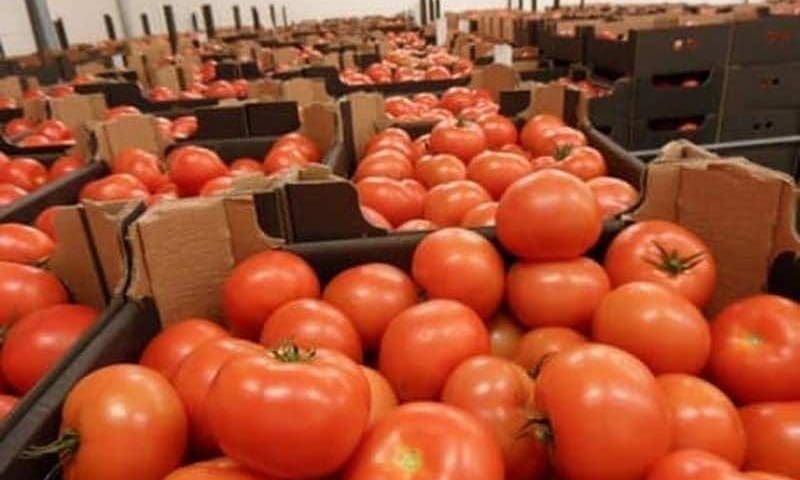
MOROCCO – Morocco has halted tomato exports to European and African markets after domestic prices rose to nearly 15 dirhams per kilogram (US$1.50 per kg), a trade source told Hespress.
The move is aimed at increasing local supply and easing pressure on consumers, as wholesale prices have dropped significantly following the intervention.
The source said the decision was taken by the autonomous body responsible for monitoring and coordinating exports under the Agriculture Ministry, although no official announcement was immediately available.
Following the suspension, wholesale prices in southern markets fell sharply, with a box of tomatoes dropping from about 350 dirhams (US$35) to around 100 dirhams (US$10), a reduction of approximately 70%.
When a major supplier such as Morocco restricts tomato shipments to Europe and African markets, buyers in those markets face immediate supply gaps, potentially turning to Spain, the Netherlands, or Turkey for replacement volumes.
This shift can drive up import prices and disrupt logistics for food service operators and retailers that rely on consistent tomato supplies. Producers and exporters welcomed the step to restore balance in the domestic market and prioritize local supply.
However, export bans pose long-term risks to regional food security. While they provide short-term relief for domestic consumers, repeated interventions can erode buyer confidence, making international customers hesitant to rely on Moroccan suppliers for year-round programmes.
For agricultural investors, Morocco’s trade shift presents both challenges and opportunities. In the short term, the suspension reduces export volumes, potentially lowering returns for growers who rely on premium European prices. Long-term intervention highlights the need for diversified market-access strategies.
Investors who fund cold storage infrastructure enabling producers to hold inventory during price spikes, or greenhouse technologies that extend growing seasons, could help stabilize supply without resorting to export bans.
The Moroccan case also illustrates the relationship between domestic price volatility and export policy. When local prices surge because of supply shortages or strong export demand, governments face political pressure to act.
Therefore, export suspensions provide immediate relief but can damage long-term trade relationships. For key industry players, balancing global trade demands with the need to maintain affordable local access remains a persistent challenge.
As Morocco navigates this tension, regional competitors may seize the opportunity to capture market share across Europe and Africa.
Sign up HERE to receive our email newsletters with the latest news and insights from Africa and around the world, and follow us on our WhatsApp channel for updates.

