
Morocco moves to expand animal products trade with Poland
Deal comes as Morocco increases imports to offset livestock losses linked to drought
MOROCCO – Morocco and Poland have taken a step toward closer trade ties in animal and livestock products following the signing of a memorandum of understanding focused on animal health and the safety of animal products and products of animal origin.
The agreement was signed on January 16, 2026, by Morocco’s Minister of Agriculture Ahmed El Bouari and his Polish counterpart during the International Green Week in Berlin, an annual global exhibition for the agriculture and food sectors that runs from January 16 to January 25.
According to media reports, the memorandum sets a framework for cooperation that goes beyond commercial exchanges to include technical collaboration on sanitary standards, information sharing, training, and research activities linked to animal production and food safety.
Poland’s Minister of Agriculture Stefan Krajewski said the cooperation is intended to deepen institutional links between the two countries while supporting smoother exchanges of animal products by improving alignment on veterinary and sanitary procedures.
Livestock pressure drives import strategy
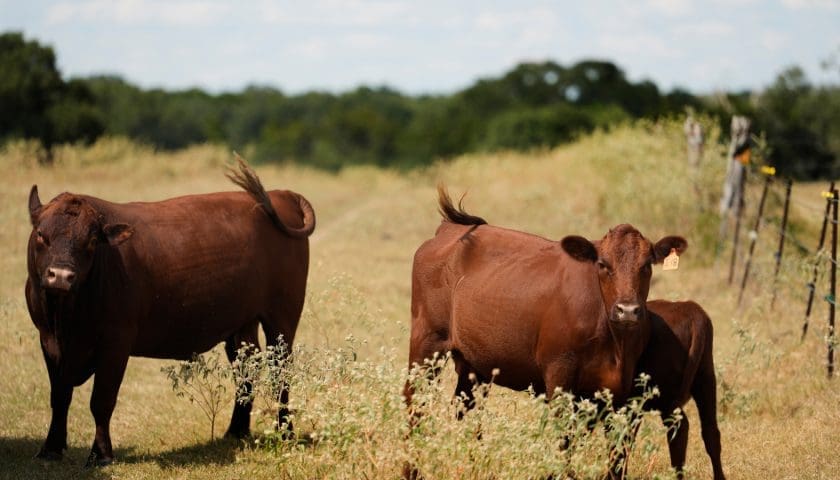
The agreement comes at a time when Morocco is dealing with a sustained contraction in its livestock sector after successive years of drought combined with higher feed prices weakened herd renewal across the country.
Data from Morocco’s Ministry of Agriculture show that cattle and sheep numbers declined by 38% between 2016 and 2025, reducing domestic meat supply and increasing pressure on consumer prices.
In response, Moroccan authorities have introduced a series of measures designed to ease imports of live animals and meat, including fiscal incentives and regulatory adjustments aimed at increasing market supply.
Under the 2026 Finance Law, imports of live cattle and camelids benefit from a temporary value added tax exemption from January 1 to December 31, 2026, capped at 300,000 cattle and 10,000 camelids.
Within this policy environment, cooperation with Poland offers Morocco an opportunity to diversify sources of animal products, which are currently supplied largely by Spain and Brazil.
Poland is among the world’s major exporters of meat and edible offal alongside Brazil, the United States, Australia, the Netherlands, and Spain, but its footprint in Morocco remains limited.
Trade Map data show Morocco imported about US$47.4 million in meat and edible offal in 2024, with imports from Poland accounting for just US$114,000.
While the memorandum signed in Berlin does not specify trade volumes or binding commitments, it is expected to address technical obstacles linked to sanitary recognition, leaving actual trade growth dependent on market demand, price competitiveness, and private sector engagement on both sides.
Sign up HERE to receive our email newsletters with the latest news and insights from Africa and around the world, and follow us on our WhatsApp channel for updates.