

Zanzibar’s poultry sector prepares for capacity shift as Zanbreed launches large-scale broiler project
The project enters a poultry market still dominated by smallholder farms and rising consumer demand
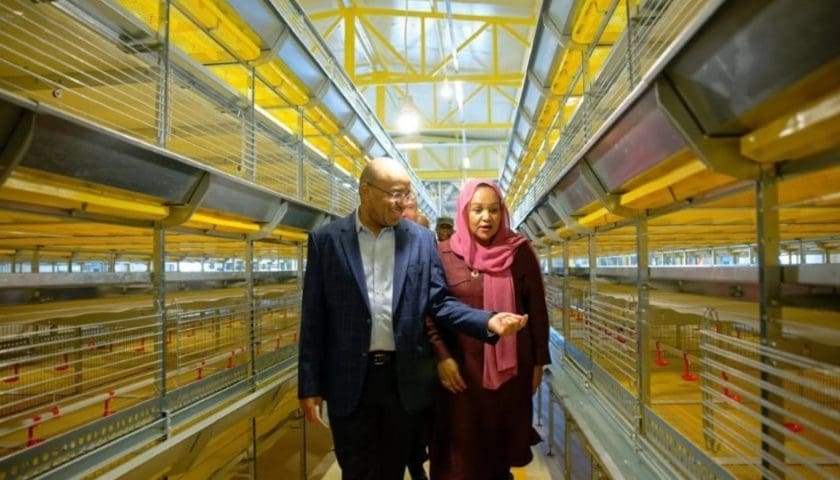
ZANZIBAR – Zanbreed Ltd has entered Zanzibar’s poultry market with a new large-scale broiler project valued at US$105 million, marking one of the most significant single investments in livestock production on the islands.
The company said the operation has a planned output of about 800,000 broiler chickens per month and is expected to generate more than 1,000 jobs, with most positions targeted at young men and women from across Zanzibar.
According to information released by the company, the facility has been set up as a fully vertically integrated operation, bringing hatchery services, environmentally controlled broiler housing, feed milling, veterinary laboratory services and slaughter capacity under one production system.
From a market perspective, the project is positioned to supply fresh poultry meat locally and reduce the flow of frozen chicken imports that currently supplement Zanzibar’s domestic output.
Industry data show that Zanzibar’s poultry sector has expanded steadily over the past decade, supported by population growth, urbanisation and government programmes aimed at increasing local protein availability.
Recent estimates from the Zanzibar Ministry of Agriculture and development agencies place the poultry population at around 2.5 million birds in 2023, with projections indicating a rise to about 3.0 million birds by 2025 as vaccination coverage and feed access improve.
Production figures indicate that poultry meat output increased from roughly 3,800 metric tonnes in 2020 to about 4,800 metric tonnes in 2024, reflecting annual growth of approximately four to five percent.
Egg production has followed a similar upward path, reaching an estimated 45 million eggs in 2023 and about 48 million eggs in 2024, although output remains uneven between Unguja and Pemba.
Despite this growth, around 80 percent of poultry production is still carried out by smallholder farmers keeping fewer than 500 birds, while commercial farms account for the remainder.
Feed costs, which are largely tied to supplies from mainland Tanzania, and periodic disease outbreaks such as Newcastle disease continue to constrain productivity and have reduced output by up to 15 percent in some years.
Demand trends and import gap
Consumption data show that poultry meat demand reached about 5,200 metric tonnes in 2024, with local production meeting roughly 80 to 85 percent of this requirement.
Per capita poultry meat consumption has risen to about 4.5 kg per year, up from 3.2 kg in 2015, while egg consumption stands at an estimated 30 to 35 eggs per person annually.
Imports, mainly frozen chicken from Brazil and the European Union, continue to fill the supply gap, accounting for close to one fifth of poultry meat consumed in Zanzibar.
Government projections suggest that rising incomes, tourism demand and population growth could push per capita poultry consumption toward 6 kg by 2028, increasing pressure on domestic producers to expand capacity.
Sign up HERE to receive our email newsletters with the latest news and insights from Africa and around the world, and follow us on our WhatsApp channel for updates.