
Namibia bans fried chicken imports from South Africa
Affected products include items from KFC, Hungry Lion, and Nando’s.
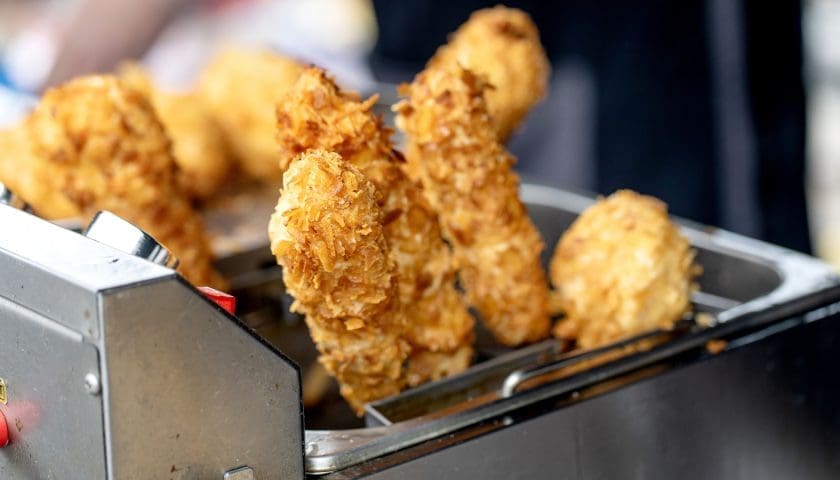
NAMIBIA – The Namibian government has prohibited the import of fried chicken products from South Africa, a ministry spokesperson confirmed.
Simon Nghipandulwa, representing the Ministry of Agriculture, Fisheries, Water and Land Reform, said the ban applies to processed chicken from fast-food chains, which are treated as imports when brought into the country through border posts.
He explained that the measure is enforced under the Animal Health Act No. 1 of 2011, which mandates that all animal products entering Namibia must have valid veterinary import permits.
Nghipandulwa added that authorities face challenges verifying how these processed products are prepared before entering Namibia.
He stated that any animal-based food brought into the country must be certified by a recognized veterinary authority to ensure safety.
Processed poultry, he noted, presents unique risks, which is why the ministry is applying strict control measures.
The official clarified that the prohibition itself is not new, but enforcement of existing regulations has recently become more stringent.
Current import rules require valid veterinary permits for all animal products, whether raw or processed, with additional conditions set by the chief veterinary officer.
These conditions often include health certification, laboratory testing, quarantine measures, and restrictions on specific products, such as raw pork or wild pig meat.
Recent amendments to regulations have introduced tighter oversight on poultry and dairy imports, reflecting the evolving disease threats in the region.
The ban is largely in response to outbreaks of foot-and-mouth disease and highly pathogenic avian influenza (HPAI) reported in South Africa.
Nghipandulwa emphasized that no product can enter Namibia without proper permits and veterinary certification, particularly when neighboring countries are experiencing animal disease outbreaks.
HPAI primarily affects commercial poultry as well as wild birds, including African penguins and pelicans, raising concerns about both domestic and wildlife populations.
Other infectious diseases identified in South Africa, including Rift Valley fever and rabies, add to the risks associated with importing animal products.
He also mentioned that the ministry’s Directorate of Veterinary Services issued a public notice last month regarding these outbreaks, with some cases already identified within Namibia.
Sign up HERE to receive our email newsletters with the latest news and insights from Africa and around the world, and follow us on our WhatsApp channel for updates.