
Nebraska becomes sixth state banning cultivated meat production, sales
New law prohibits lab-grown meat in all forms, impacting production, marketing, and distribution statewide.
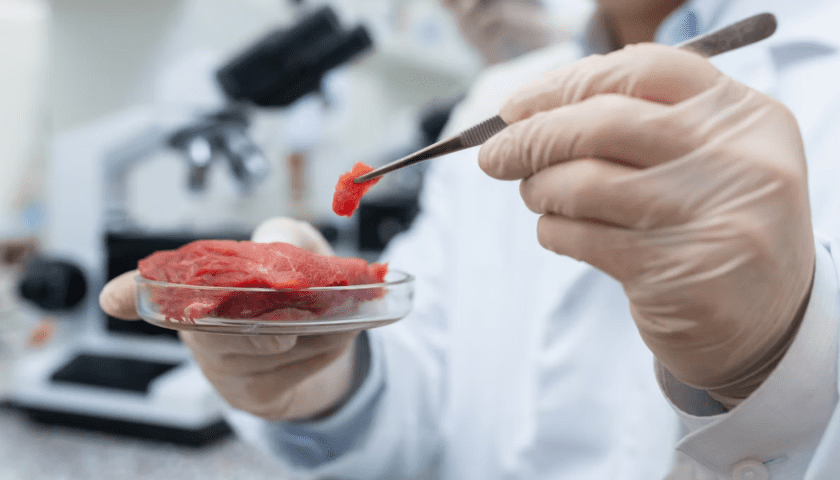
USA – Nebraska Governor Jim Pillen has signed a bill into law banning the manufacture, sale, promotion, and distribution of lab-grown meat across the state.
The legislation, known as LB246, was brought forward by State Senator Barry DeKay at the request of the governor and passed with a 38-11 vote in Nebraska’s single-chamber legislature.
A proposed amendment that would have changed the bill into a measure focused on labeling requirements, rather than an outright ban, failed during the second round of debates in April by a 24-12 vote.
This new law makes Nebraska the sixth state in the United States to enact such a prohibition on cultivated meat, which is still undergoing regulatory evaluation at the federal level.
In August 2024, Pillen had already signed an Executive Order restricting state agencies from buying lab-grown meat and requiring contractors to prioritize conventional meat producers.
The new law extends that position by legally prohibiting lab-grown meat from entering the state’s consumer or commercial markets, including retail and food service sectors.
Nebraska’s move is especially significant due to its role as the second-largest cattle-producing state in the country, with only Texas ahead in production volume.
According to data from the Nebraska Department of Agriculture, the state’s livestock industry contributes approximately US$31.6 billion (US$31.6B) annually to its economy.
Supporters of the legislation argue that it protects the livelihoods of ranchers and farmers from what they see as an unproven and potentially disruptive technology.
Agricultural Interests Drive Pushback
The ban is part of a wider trend in rural and livestock-dependent states, where lawmakers are taking steps to limit or block the expansion of cultivated meat.
While proponents of lab-grown meat say it offers environmental and ethical advantages, critics have raised concerns about its safety, transparency, and potential impact on traditional agriculture.
For many in Nebraska’s agricultural sector, the law reflects an ongoing commitment to supporting established livestock systems amid increasing attention on alternative proteins.
As cultivated meat companies wait for federal approvals and public perception evolves, state-level actions like Nebraska’s are helping shape the broader national response to the emerging industry.
The full impact of such bans remains uncertain, but they are likely to influence both investment and development strategies for cultivated meat in the near future.
Sign up HERE to receive our email newsletters with the latest news and insights from Africa and around the world, and follow us on our WhatsApp channel for updates.