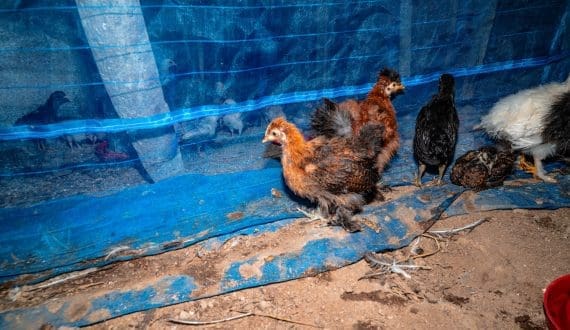
Nepal culls over 113,000 birds as H5N1 spreads and egg prices rise amid supply strain
Bird flu detected in 23 farms across four districts
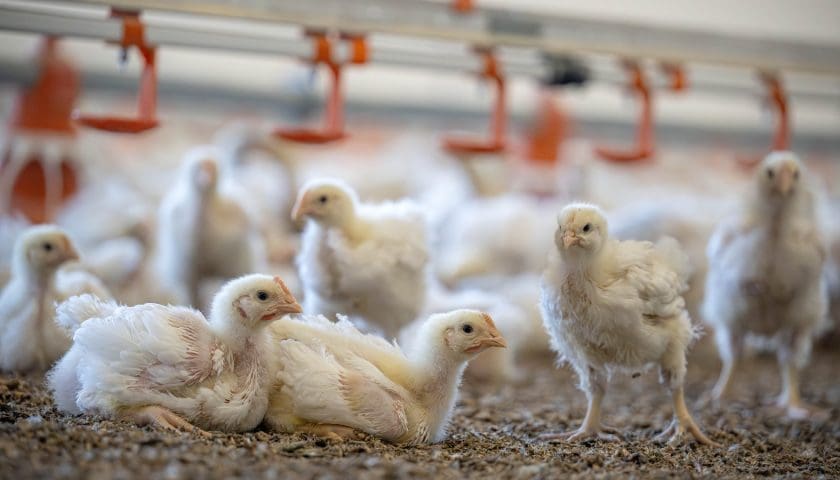
NEPAL – Nepal has reported the spread of the highly pathogenic H5N1 avian influenza across four districts, with authorities confirming infections in multiple poultry farms as containment measures intensify.
The virus has been identified in 23 farms located in Morang, Sunsari, Jhapa and Chitwan, according to Indira Sharma, an information officer at the Department of Livestock Services, who said the first case this year was recorded in Morang on March 18.
Sharma stated that the government is coordinating efforts to contain the outbreak and prevent further transmission as surveillance and response measures continue across affected areas.
Data from the department shows that 113,608 birds, including chickens and ducks, have been culled along with 211,867 eggs destroyed as of April 4 to limit the spread of the disease.
H5N1 is a strain of avian influenza that causes a severe respiratory illness in birds and has also been reported in mammals, including humans, raising concerns about broader transmission risks.
Egg prices increase as output declines
At the same time, egg prices in Nepal have risen following a drop in production and an increase in consumption, according to figures released by the Layers Poultry Farmers Association.
The association said new farm gate prices took effect immediately, reflecting shifts in supply and demand, with large eggs now selling at about US$3.50 (US$3.50) per crate of 30, up from US$3.38 (US$3.38), while medium eggs rose to around US$3.12 (US$3.12) from US$3.01 (US$3.01).
This price movement comes after a period of reduced output, which producers link to disease outbreaks affecting poultry flocks and rising temperatures that have disrupted normal farming conditions.
Demand has also increased due to higher tourist arrivals during the Nepali New Year period, adding pressure to already limited supplies in the domestic market.
Farmers face cost pressures
Restrictions on cross border trade have further tightened supply by limiting the inflow of eggs from neighbouring countries, contributing to reduced availability within Nepal.
The recent price increase follows earlier peaks recorded last year when large eggs reached approximately US$4.25 (US$4.25) per crate and medium eggs climbed to about US$4.14 (US$4.14), although current levels remain below those highs.
Despite the upward adjustment, farmers say the returns remain insufficient as production costs are estimated at about US$0.14 (US$0.14) per egg, equivalent to roughly US$4.31 (US$4.31) per crate.
Producers continue to raise concerns about the gap between market prices and production expenses, while the association indicated that prices will continue to shift gradually depending on supply and demand conditions.
Sign up HERE to receive our email newsletters with the latest news and insights from Africa and around the world, and follow us on our WhatsApp channel for updates.