
Nigeria targets poultry sector with new processing plants, large-scale investments
New national livestock plan seeks to attract private capital amid persistent supply gaps
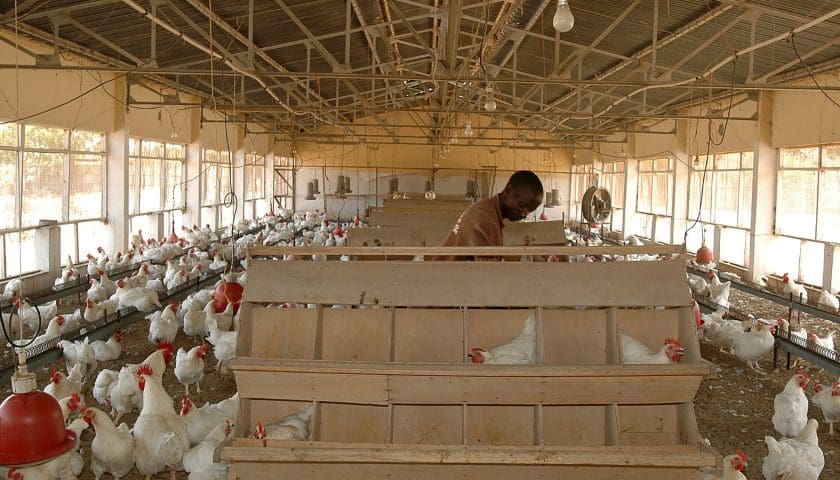
NIGERIA – Nigeria’s poultry industry is drawing renewed attention from public authorities and private investors as several states roll out new projects aimed at expanding production and processing capacity to meet rising domestic demand.
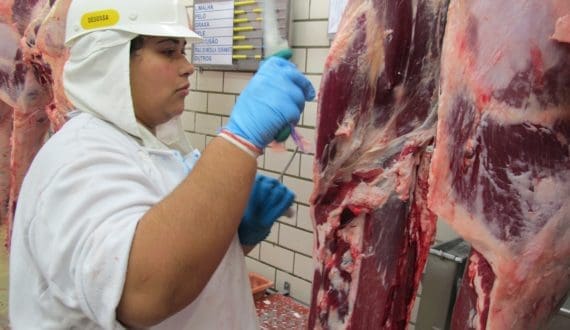
Ogun State announced recently the commissioning of a poultry processing facility capable of handling 5,000 birds per day, equivalent to about 1.3 million birds annually, according to reports carried by local media.
The plant is located at the Ajegunle agricultural site in Odeda Local Government Area and forms part of the Ogun State Economic Transformation Project, which is backed by financing from the World Bank.
Speaking at the inauguration, Ogun State Commissioner for Agriculture and Food Security, Bolu Owotomo, said the facility aligns with broader state programs focused on value chain development and agro-industrial processing zones designed to position Ogun as a poultry production centre.
The same day, Kaduna State authorities disclosed plans to launch a poultry project valued at US$200 million, which the state government described as one of the largest poultry investments currently planned in the country.
Governor Uba Sani said the Kaduna project is projected to generate more than US$450 million in annual revenue and support about 350,000 direct and indirect jobs once fully operational.
Beyond increasing output, the Kaduna initiative is expected to introduce industrial-scale egg and poultry production systems through technology partnerships with Chinese firms active in modern agribusiness.
National policy backdrop
These announcements coincide with federal efforts to create conditions that attract investment into livestock production, particularly poultry farming.
In September 2025, the Ministry of Livestock Development presented the National Livestock Master Plan, a five-year framework developed with technical input from the International Livestock Research Institute.
Under the plan, poultry farming is identified as a priority value chain alongside cattle, sheep, goats, pigs, and animal feed systems, with proposed interventions spanning genetics, animal health, feed supply, market access, and research coordination.
Authorities say the plan aims to reduce reliance on imported animal protein as Nigeria’s population growth and urbanization continue to drive demand for meat and eggs.
Despite a 2003 ban on chicken meat imports, industry analysts report that illegal poultry products continue to enter the country due to insufficient domestic supply.
Olam Agri estimates that poultry meat worth between US$150 million and US$200 million is smuggled into Nigeria each year.
High feed costs linked to maize and soy supply constraints, disease risks, biosecurity gaps, and limited access to finance remain key challenges for producers, particularly small-scale farmers.
The National Livestock Master Plan projects that targeted investment in feed systems could raise farm productivity by 40% and that improved vaccination coverage could cut animal mortality by 65%, although execution remains a central concern.
Nigeria’s chicken population stood at an estimated 809.8 million birds in 2024, according to NAERLS data.
Sign up HERE to receive our email newsletters with the latest news and insights from Africa and around the world, and follow us on our WhatsApp channel for updates.