
Tyson Foods extends limited beef processing at Nebraska plant as layoffs continue
Nearly 300 workers receive short-term extensions as cattle shortages and high prices pressure the industry
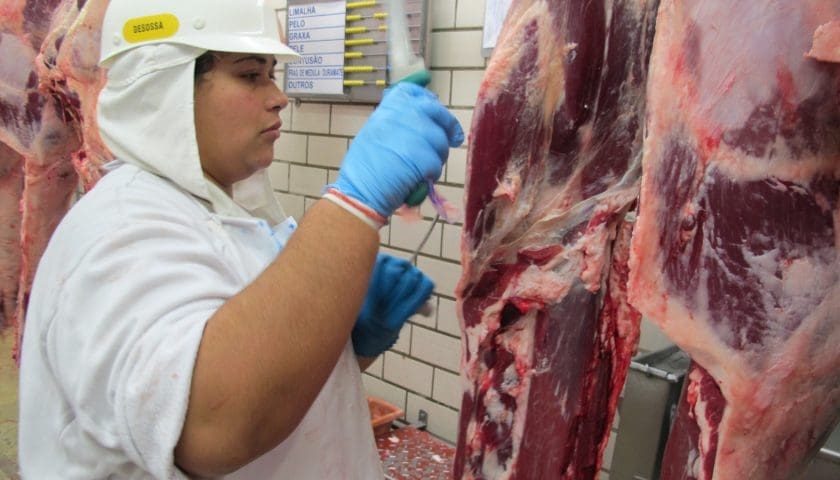
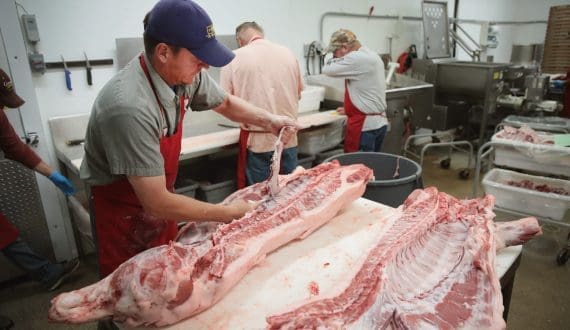
USA – Tyson Foods has decided to temporarily continue limited beef preparation at its Lexington, Nebraska slaughterhouse even as layoffs move forward, providing a short extension of employment to a fraction of the plant’s workforce as the facility heads toward closure.
The meat processor confirmed that around 292 employees, representing about 9% of the site’s 3,200 workers, will remain on payroll for periods ranging from several days to just over six months to assist with tasks linked to winding down operations.
This development follows Tyson’s November announcement that it planned to shut the Lexington beef plant around January 20, after prolonged cattle shortages drove up operating costs for beef processors across the United States.
According to a new notice submitted to Nebraska state officials this week, the company began layoffs on the previously announced date but opted to retain a limited number of workers to support ongoing processing and closure-related activities.
Tyson said in a written statement that restricted processing will continue at the Lexington facility during the transition phase, though fewer than half of the retained employees are expected to remain beyond the end of January.
Cattle supply pressure
The shutdown comes against the backdrop of a shrinking US cattle herd, which has fallen to its smallest size in nearly 75 years after years of drought reduced grazing land and forced ranchers to cut herd sizes.
As cattle availability tightened, processors faced higher procurement costs while consumers continued to purchase beef at elevated levels, straining the supply chain.
Retail ground beef prices climbed to a record US$6.69 per pound in December, marking a 19% increase from the same month a year earlier, according to data from the Bureau of Labor Statistics.
Although higher beef prices have lifted revenue potential for large processors, Tyson has also been required to pay historically high prices to secure cattle for slaughter, limiting the financial upside.
Local impact
In Nebraska, state and local officials have expressed concern about the economic consequences of the closure for Lexington, a town of roughly 10,000 residents where the plant has been a major employer for decades.
Officials have said they hope Tyson will sell or repurpose the facility to soften the blow to the local economy, while the company has noted that the Lexington beef complex has operated since 1990.
Sign up HERE to receive our email newsletters with the latest news and insights from Africa and around the world, and follow us on our WhatsApp channel for updates.