

Nigerian tomato prices triple as supply shortages; transport costs drive basket price to US$78
Fresh harvests expected from July could help stabilise supply, with prices potentially declining from August.
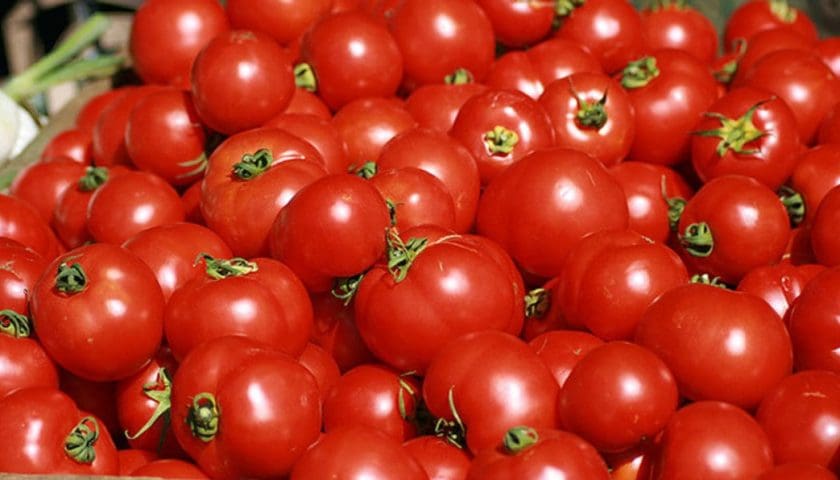
NIGERIA – Tomato prices in Nigeria have nearly tripled in one month, with a standard 50kg basket now selling for between N115,000 (US$72) and N125,000 (US$78), up from N35,000 (US$22) to N40,000 (US$25) last month. The crisis has pushed food vendors and residents in major cities like Lagos to seek cheaper alternatives.
Rabiu Zuntu, Kaduna State chairman of the Tomatoes Growers and Processors Association of Nigeria, attributed the surge to the end of the harvest season in key northern production hubs. “There is a scarcity of tomatoes at the moment. Production has ended in most parts of the North, and we now rely on minimal harvests from a few areas,” he said.
Beyond low inventory, escalating transportation costs have further inflated market values. Zuntu explained that transporting a trailer load of tomatoes from the North now costs about N2 million (US$1,250) due to higher fuel prices, compared to N1.1 million (US$688) to N1.3 million (US$813) two months ago. “The increase in transportation costs has been transferred to consumers, pushing up market prices,” he said.
For food vendors, the scarcity is severe. Ranti Adisa, a food vendor in Lagos’s Shasha area, said traders were struggling to source tomatoes. “Many of us could not get tomatoes at the market, as most traders had no stock. A crate sold for between N45,000 (US$28) and N50,000 (US$31) at Ile-Epo market, compared to N15,000 (US$9) a few weeks ago.”
Oluochi Ogunsanmi, a resident of FESTAC, also pointed to the impact of rising prices. “I bought a small bucket of tomatoes for N7,000 (US$4), and it was barely sufficient. We may have to consider alternatives,” she said.
For investors, the crisis highlights opportunities in stabilizing year-round tomato production. Investment in irrigation systems, greenhouse farming, and cold storage facilities could reduce seasonal supply gaps.
In addition, fresh harvests expected from July could help stabilize supply, with prices potentially declining from August. However, without structural changes to logistics and production, Nigeria’s tomato market will remain vulnerable to seasonal volatility and fuel price shocks.
Ultimately, the situation highlights the logistical vulnerabilities and economic pressures currently impacting the regional fresh produce supply chain.
Sign up HERE to receive our email newsletters with the latest news and insights from Africa and around the world, and follow us on our WhatsApp channel for updates.

