
Oman imports 285,890 livestock to secure red meat supply before Eid
Authorities say the move is intended to keep markets supplied during a period of higher demand.
OMAN – Authorities in Muscat have reported the importation of 285,890 live animals between January 1 and March 5, 2026, as part of preparations to meet rising domestic demand for red meat ahead of the upcoming Eid al-Adha celebrations.
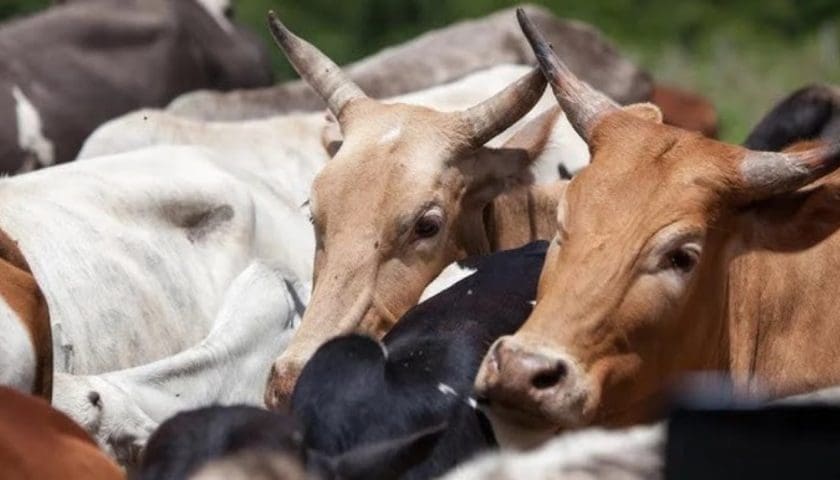
According to figures released by the Oman Ministry of Agriculture, Fisheries and Water Resources, the shipments consisted of 27,718 cattle and a further 258,172 sheep and goats brought into Oman to supply local markets during the seasonal increase in meat consumption.
Officials stated that import volumes are being tracked continuously to maintain a steady flow of livestock into the country while supporting retailers and distributors preparing for the surge in purchases that typically accompanies the Eid period.
Rising import volumes
Government statistics indicate that the number of imported animals has increased compared with the same timeframe in the previous year, reflecting stronger market demand and ongoing efforts to maintain adequate supplies across the sultanate.
Records show that sheep and goat imports rose from 141,008 animals in January 2025 to 156,419 in January 2026, representing an increase of approximately 10.9%, while cattle imports during the same month climbed from 7,725 to 11,098 heads, equivalent to growth of about 43.7%.
The ministry explained that imported livestock remains one part of the country’s meat supply chain, which also includes domestically produced meat as well as chilled and frozen products sourced from international suppliers.
As a result, authorities said the combination of local production and imported meat products is intended to ensure consumers have access to sufficient supplies across retail outlets and distribution channels.
Import procedures and market supply
In addition to monitoring incoming shipments, the ministry reported issuing 239 permits allowing companies to import livestock during the review period to support domestic market supply levels.
Officials added that several administrative measures have been introduced to facilitate the process, including simplified documentation procedures and faster quarantine clearance for animals entering the country.
Authorities said these steps are designed to ensure that livestock imports move through regulatory processes more quickly while maintaining animal health checks and compliance with veterinary standards.
The ministry also said it is coordinating with government bodies and private-sector importers to manage supply chains and maintain consistent food availability across the country’s governorates during periods when meat consumption tends to rise.
Sign up HERE to receive our email newsletters with the latest news and insights from Africa and around the world, and follow us on our WhatsApp channel for updates.