
JBS Greeley plant faces strike threat as 3,800 workers plan walkout
Disruption could affect operations at one of the largest beef processing facilities in the United States
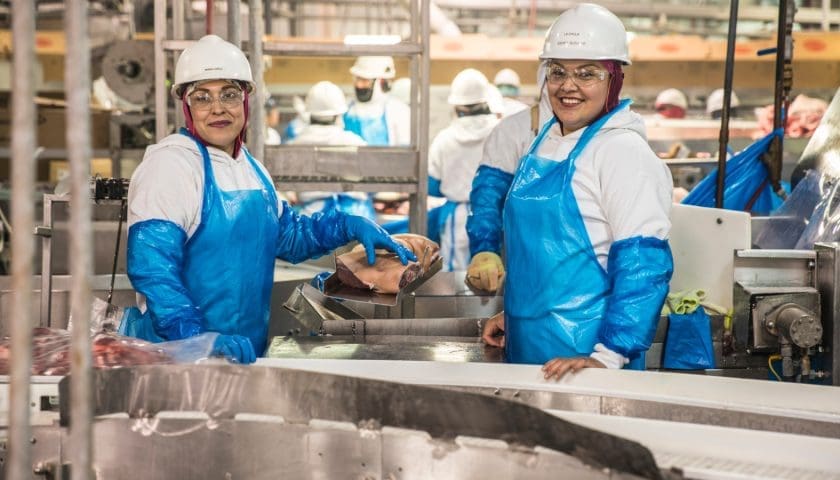
USA – About 3,800 employees at a major beef processing facility operated by JBS in Greeley, Colorado are preparing to launch a strike beginning March 16, a move announced by their union that could disrupt operations at one of the largest beef plants in the United States as consumers continue to face historically high beef prices.
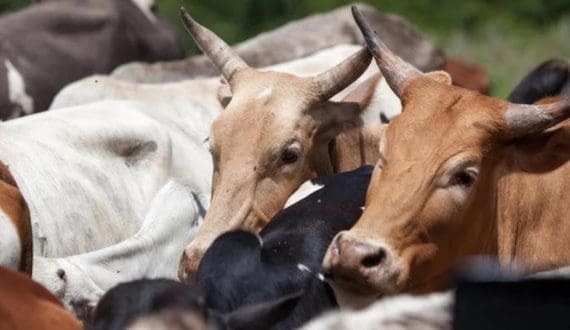
The potential strike sets up a confrontation between a workforce largely composed of immigrant employees and the Brazilian-owned meat processing giant, while ranchers have already begun redirecting cattle shipments to alternative slaughterhouses in anticipation of possible production interruptions.
The planned labour action comes at a time when beef prices have surged to record levels this year following a sharp contraction in the United States cattle herd, which has fallen to its lowest level in roughly 75 years.
Even as beef prices rise for consumers, meat processors such as JBS are facing higher procurement costs because cattle available for slaughter are more expensive amid tighter supply.
The company reported third quarter profits of US$581 million (US$581 million), down from US$693 million (US$693 million) recorded during the same period the previous year, according to financial disclosures.
Union claims contract talks have stalled
The workers at the Greeley facility are represented by United Food and Commercial Workers Local 7, whose leadership says negotiations for a new labour agreement have dragged on for eight months without progress.
Union president Kim Cordova said employees are pushing for wage increases that match rising living costs and want the company to stop charging workers to replace personal protective equipment used during processing operations.
Cordova said that despite consumers paying more for beef products, the financial gains are not reaching employees who perform physically demanding tasks inside the plant.
In response, JBS said it has adhered to labour regulations throughout negotiations and maintained that it remains committed to reaching a reasonable agreement with workers.
The company added that employees are billed for protective gear only when it is lost or deliberately damaged, and said the contract offer currently on the table reflects terms similar to those in a national agreement reached with unionised workers in 2025.
Although that nationwide contract was ratified across multiple plants last year, Cordova noted that employees in Greeley had already secured some of the benefits included in the agreement, including sick leave provisions.
Ranchers shift cattle shipments
As the strike deadline approaches, JBS said it has begun adjusting processing schedules and redirecting livestock deliveries to other plants to maintain supply to customers.
The Greeley facility did not slaughter cattle on Monday, and cattle feeders reported that the company had cancelled slaughter operations at the plant for the entire week.
One livestock supplier said he had instead redirected cattle to a separate JBS processing facility located in Cactus, Texas.
Market analyst Corbitt Wall of DVAuction said slaughter capacity currently exceeds the number of cattle ready for processing, meaning ranchers can move livestock to other plants if necessary.
Sign up HERE to receive our email newsletters with the latest news and insights from Africa and around the world, and follow us on our WhatsApp channel for updates.