Saudi Arabia expands avocado production in Asir highlands with 80% success rate
The primary objective of this expansion is to reduce Saudi Arabia’s reliance on imported avocados.
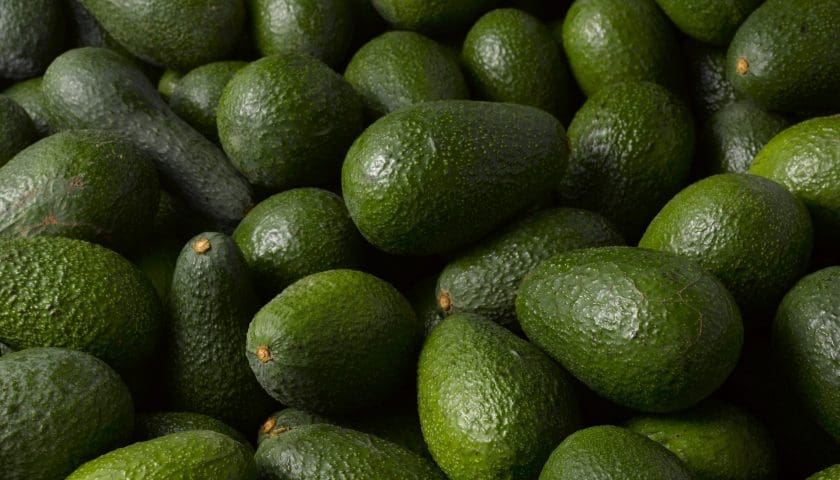
SAUDI ARABIA – Avocado production is taking root in the Asir highlands, a region traditionally known for cooler weather and mountain agriculture.
In areas such as Al-Namas, local farmers are successfully cultivating avocados under regional conditions where the crop is not commonly grown, marking a significant shift in high-desert agriculture.
The crop requires specific temperature ranges, irrigation management, and soil conditions. Asir’s climate, with cooler, more stable conditions than in other parts of the country, has supported crop development.
In fact, reports from farms indicate a growth success rate exceeding 80 percent, with production quality comparable in texture and taste to imported avocados.
Moreover, the region’s high-altitude conditions provide a natural advantage for growing premium fruit that can compete with international imports. As Saudi Arabia pushes to strengthen domestic supply chains and improve food security, scalable farming techniques developed in Asir could be replicated in other highland areas with similar microclimates.
However, to scale the Asir avocado supply chain, several infrastructure investments are needed. For instance, cold storage facilities near production zones will preserve fruit quality during peak harvest periods.
The primary objective of this expansion is to reduce Saudi Arabia’s reliance on imported avocados. Currently, the Kingdom imports significant volumes from Kenya, South Africa, and Latin America.
In addition, local production offers shorter transit times, lower logistics costs, and fresher fruit for domestic consumers. As production volumes increase, locally grown avocados could capture significant market share in supermarkets, hotels, and restaurants.
Further development will depend on scaling cultivation, maintaining consistency, and establishing distribution channels. Early production results indicate that avocado cultivation under Asir conditions is feasible, with potential to increase the availability of locally grown products in the domestic market.
For agribusiness investors, specific opportunities include greenhouse technologies adapted to highland conditions, precision irrigation systems that optimize water use, and post-harvest handling equipment that extends shelf life.
As Saudi Arabia continues to diversify its agricultural base under Vision 2030, the Asir highlands serve as a model for transforming marginal mountain agriculture into productive, commercially viable fruit farming.
The region’s 80 per cent success rate shows that, with appropriate variety selection, irrigation management, and farmer training, avocados can thrive in Saudi Arabia’s cooler highlands.
Sign up HERE to receive our email newsletters with the latest news and insights from Africa and around the world, and follow us on our WhatsApp channel for updates.