Smithfield Foods increases annual profit forecast as hog operations recover
Hog segment turns profit after last year’s losses
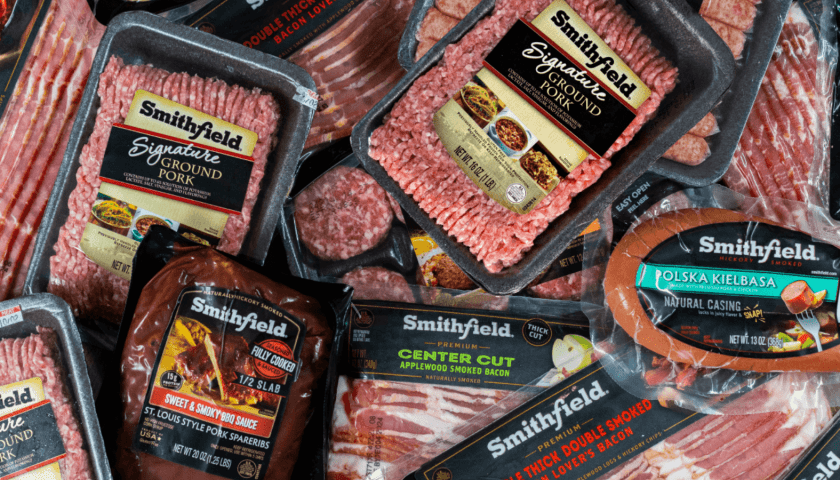
USA – Smithfield Foods has raised its 2025 operating profit expectations after reporting a recovery in its hog business and the resumption of U.S. pork exports to China that were previously disrupted by tariffs.
The Virginia-based company posted higher sales and adjusted earnings for the quarter ending June 29 compared to last year, though its shares fell about 1% as operating profits in packaged meats and fresh pork divisions declined.
The meatpacker reported that consumer demand in the United States remains restrained, citing ongoing inflation pressures.
U.S. consumer prices showed only modest growth in July, yet economists cautioned that additional price increases could follow as a result of President Donald Trump’s broad tariff measures.
Chief Executive Officer Shane Smith told analysts that household budgets are still under strain, affecting purchasing patterns.
To limit volatility in its hog operations, Smithfield has cut back on the number of pigs it raises internally while sourcing more from external producers.
The company now expects to produce about 11.5 million hogs in 2025, down from 14.6 million in 2024.
A drop in grain prices has also reduced livestock feed costs, which are typically the largest expense in hog production.
The hog division recorded an operating profit of US$22 million (about KSh 2.9 billion) in the second quarter, compared to a US$2 million loss during the same period last year.
Smithfield now forecasts total adjusted operating profit for 2025 to range between US$1.15 billion and US$1.35 billion, an increase from its earlier projection of US$1.10 billion to US$1.30 billion.
The company, which went public in January, remains an indirect, majority-owned subsidiary of Hong Kong-listed WH Group.
Tariff Effects and Export Strategy
The global pork trade has been affected by U.S.–China tariff disputes, forcing companies to seek alternative export markets.
In April, Smithfield said China was not a viable buyer due to retaliatory import duties, with the effective tariff rate reaching 172% earlier this year before dropping to 57% in May, according to the U.S. Meat Export Federation.
Smith explained that the company reduced the impact of the trade restrictions by redirecting sales to other countries and distribution channels before resuming exports to China.
Despite this progress, Smithfield’s fresh pork operating profits fell 39% in the quarter to US$35 million, even as sales in the segment increased 5% to US$2.1 billion.
Exports accounted for 13% of the company’s total sales in 2024, with China making up about 3% of that total.
Sign up HERE to receive our email newsletters with the latest news and insights from Africa and around the world, and follow us on our WhatsApp channel for updates