
South Africa cuts small-scale linefish quotas, fishers warn of economic impact
Communities call for urgent government review and engagement on quota decisions
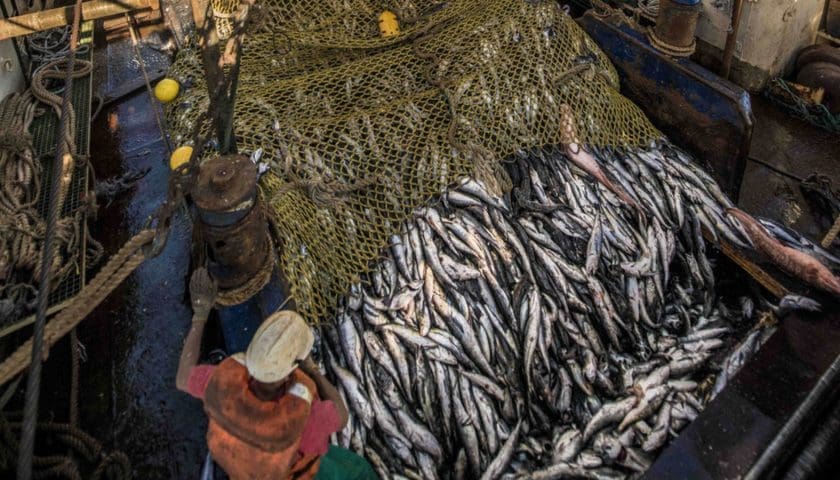
SOUTH AFRICA – The Department of Forestry, Fisheries, and the Environment (DFFE) has slashed the number of small-scale fishing vessels permitted to operate from over 547 to 77 for the 2026/27 season.
Small-scale fishers argue that the reduction will endanger communities that rely on traditional linefish harvesting for survival and economic stability.
On 10 February, representatives from 46 cooperatives and nine advocacy groups, including the West Coast Small Scale Fishers Forum, Masifundise, and Coastal Links, delivered a memorandum to the DFFE Portfolio Committee in Cape Town demanding a reversal of the decision.
Andre Cloete, chairperson of Coastal Links Western Cape, told the committee that fishing is deeply tied to culture, heritage, and intergenerational knowledge passed down through families.
Cloete said the fishers were not consulted and had received no explanation for how the department determined the new quota allocation.
The memorandum calls the total allowable effort (TAE) reduction “unsustainable, unjust, and imposed without meaningful consultation” and urges the DFFE to meet with affected communities before implementing changes.
Fishers are also requesting that a portion of the commercial linefish allocation, which accounts for 378 of the total 455 vessels, be redistributed to small-scale cooperatives.
The DFFE has maintained that the quota split aligns with the best available scientific and management recommendations to protect linefish stocks.
In their letter to authorities, small-scale fishers described linefish as the foundation of their communities, emphasizing that income from these fisheries supports hundreds of households.
Hilda Adams, chairperson of the West Coast Small-Scale Fishers Cooperative Forum, warned that without urgent intervention, many fishers’ permits will expire on 28 February, preventing them from fishing in March.
Adams noted that small-scale operators rely on smaller boats and gear that causes minimal environmental impact compared with commercial fleets.
Masifundise highlighted that the quota reduction could push vulnerable coastal households into deeper poverty, increase food insecurity, and provoke internal conflicts within cooperatives over who is allowed to fish.
DFFE director-general Nomfundo Tshabalala told the committee the department aims to protect the livelihoods of coastal fisheries while maintaining sustainable linefish populations.
Tshabalala acknowledged the challenge of balancing scientific recommendations with the economic needs of traditional fishers and pledged a departmental response to the memorandum within five days.
The director-general advised the small-scale fishers to submit a formal appeal against the quota reduction while the department finalizes its recommendations.
Sign up HERE to receive our email newsletters with the latest news and insights from Africa and around the world, and follow us on our WhatsApp channel for updates.