South Africa leads 66% surge in EU citrus pest interceptions, growers demand stricter controls
The association is also pressing EU authorities to carry out inspections at the source and step up controls at European ports of entry.
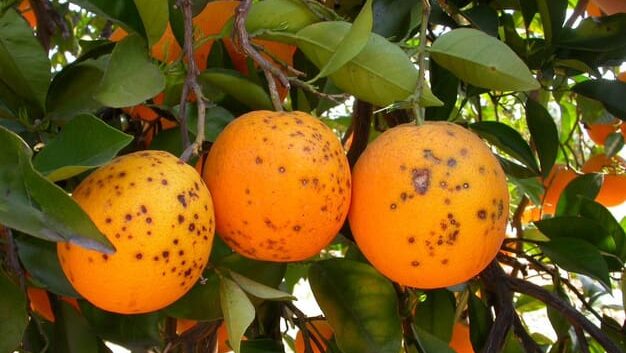
EUROPE – Agricultural organizations in Europe have raised the alarm over a significant spike in pest and disease detections in imported citrus shipments, with interceptions up by 66% year on year, and South Africa identified as the primary source.
The Valencian Association of Agricultural Producers (AVA-ASAJA) reported that the European Union’s TRACES platform recorded 15 pest and disease interceptions in citrus shipments from third countries in June, a 66% increase compared to the same month last year.
South Africa topped the ranking with eight cases, seven involving citrus black spot in lemon shipments and one involving false codling moth in grapefruit.
These pests pose a severe phytosanitary risk to European orchards, as citrus black spot can cause lesions and premature fruit drop, while false codling moth larvae damage fruit interiors, rendering them unmarketable.
Furthermore, La Unió Llauradora noted that seven of those South African rejections occurred in June and one in April. Two cases of Phyllosticta were also recorded in June in Eswatini, neighbouring South Africa, and one in Argentina. So far this year, total Phyllosticta interceptions have doubled compared to June 2025, rising from 5 to 10.
AVA-ASAJA president Cristóbal Aguado described the situation as alarming: “Such an amount of detections is scandalous, especially at this point in the season, since South Africa hasn’t even started shipping the bulk of its citrus. It poses an unacceptable phytosanitary risk for the EU, as we are talking about a disease that, if introduced and allowed to spread through European citrus production areas, would cause growers to suffer huge losses.”
As a result, trade organizations are proposing stricter border control measures. AVA-ASAJA is calling for the EU to extend its mandatory cold treatment requirement for South Africa beyond oranges to cover other citrus species capable of transmitting the false codling moth, including mandarins and grapefruit.
The association is also pressing EU authorities to carry out inspections at the source and step up controls at European ports of entry.
Moreover, La Unió secretary general Carles Peris stressed the need to “reinforce phytosanitary border controls, carry out more inspections and sampling focused on CBS detection, effectively apply the precautionary principle, and adopt additional temporary restriction measures if circumstances call for it.”
Lastly, the demand for expanded cold treatments and stricter inspections reflects growing concerns about protecting European citrus orchards from potentially devastating diseases.
Sign up HERE to receive our email newsletters with the latest news and insights from Africa and around the world, and follow us on our WhatsApp channel for updates