South Africa’s poultry farmers emerge as global industry leaders
Rising exports and lower import dependence reshape the local poultry market
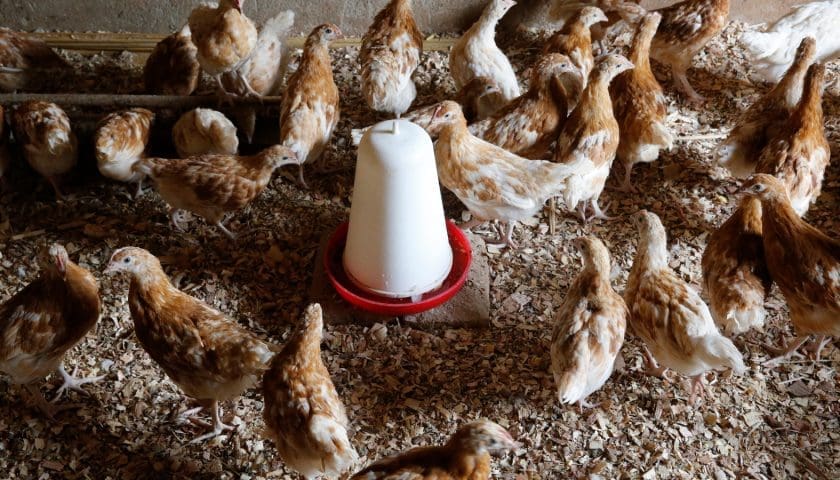
SOUTH AFRICA – South Africa’s poultry sector has been ranked among the world’s more competitive broiler industries following a new assessment by the Bureau for Food and Agricultural Policy that reviewed production performance through the end of 2024.
The report found that local poultry companies improved their standing against major global producers despite prolonged pressure from electricity shortages, high feed prices, and disruptions in international commodity markets.
Chicken remains the most consumed meat product in South Africa because it is generally cheaper than beef and lamb, while the poultry sector also supports a wide supply chain that includes feed manufacturers, hatcheries, processors, transport operators, and retailers.
According to the study, one area in which South African producers performed strongly was feed conversion efficiency, which measures how effectively broiler chickens convert feed into body weight during production.
Industry analysts linked the gains to years of investment in breeding programmes, genetics, production technology, disease management systems, and improvements in poultry housing facilities.
Industry faces rising costs
The findings come after several years of difficult operating conditions that affected poultry producers both locally and internationally following the introduction of South Africa’s Poultry Masterplan in 2019.
Global supply chains were disrupted during the COVID-19 pandemic as shipping delays and higher freight charges affected agricultural industries across multiple regions.
Pressure on production costs intensified later after the Russia-Ukraine war disrupted grain and fertiliser supplies, raising prices for key feed ingredients such as maize and soybeans used by poultry farmers.
At the same time, South African poultry companies were forced to increase spending on backup power systems during rolling blackouts in 2023 to maintain ventilation, refrigeration, and processing operations.
Dry weather in crop-producing regions also reduced local grain harvests, pushing feed costs higher even as some international feed markets began to record price declines.
Imports decline as local output rises
Despite the challenges, domestic broiler production continued to expand over the past decade as producers increased local supply capacity and reduced dependence on imported poultry products.
The report stated that imports of frozen bone-in chicken portions have declined in recent years due to higher domestic output and policy measures supporting local producers.
However, analysts said slower economic growth and weaker household spending could limit future expansion in domestic poultry consumption, increasing the importance of export markets for South African producers.
While Brazil remains ahead because of lower feed costs and larger-scale production systems, the report said South Africa has narrowed the competitiveness gap with several leading poultry-producing countries, including the United States and parts of Europe.
Industry stakeholders also expect further growth in South Africa’s soybean-processing sector to reduce feed costs and improve the competitiveness of local poultry production in the coming years.
Sign up HERE to receive our email newsletters with the latest news and insights from Africa and around the world, and follow us on our WhatsApp channel for updates.