South Korea targets 4M tonnes of seafood production by 2030
The government unveils a five-year plan to expand fisheries, increase household income, and boost seafood exports.
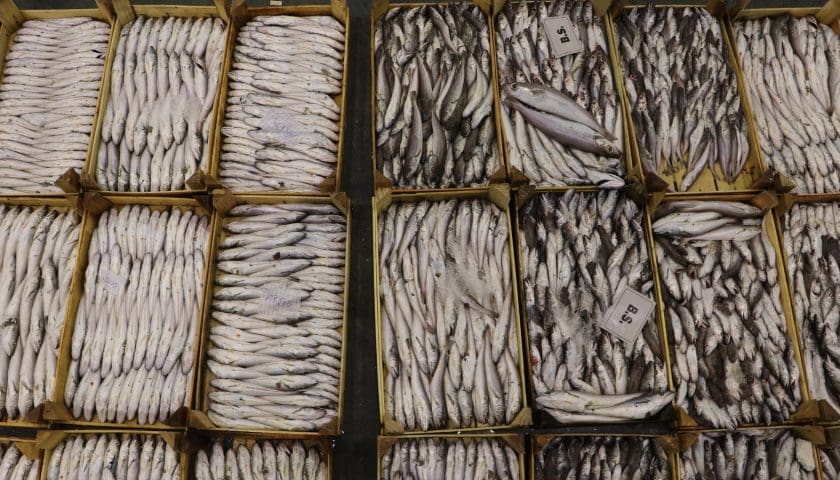
SOUTH KOREA – South Korea has launched the 2030 fisheries and fishing village development initiative, aiming to reach an annual seafood output of four million tonnes, raise annual income for fishing households to US$60,000, and achieve seafood exports worth US$4.2 billion by 2030.
The Ministry of Oceans and Fisheries (MOF) released the Third Basic Plan for the Development of Fisheries and Fishing Villages on January 29, outlining strategies to guide the industry and rural fishing communities over the next five years.
The plan emphasises creating a sustainable capture fisheries system, transitioning to higher-value aquaculture, improving seafood production data, strengthening the seafood processing sector, reducing distribution costs, and expanding exports and supply chains.
To maintain stable production levels, the MOF will establish an essential fisheries fleet, defining the minimum number of vessels required to ensure consistent seafood output.
Currently, domestic fishing vessels generate about US$83,000 per vessel, and the government intends to increase productivity to between US$450,000 and US$525,000 per vessel, approaching levels seen in Norway.
The plan includes restructuring the fleet by phasing out low-productivity vessels, reducing the total number from 60,000 to 40,000 by 2030, a cut of over 30%.
To adapt to rising sea temperatures caused by climate change, the government will encourage relocating aquaculture farms from coastal areas to the open sea, particularly in the deeper waters of the East Sea.
The MOF also plans to expand farming of species that tolerate higher temperatures to sustain yields in existing fishing grounds.
Seafood export competitiveness will be strengthened by developing new products following the success of seaweed and tuna, which already perform strongly in international markets.
Distribution efficiency will improve by expanding farm-produce distribution centres in production areas, establishing fish distribution centres in consumption regions, and promoting online wholesale, auctions, and direct-sale stores, reducing the number of distribution stages from six to four.
The government will also focus on revitalising fishing villages by supporting young people returning to fishing, upgrading housing and welfare services, and revising foreign labour policies, including providing renovated vacant homes for newcomers without initial capital.
Choi Hyun-ho, director general for fisheries policy at MOF, said the initiative aims to make the fisheries sector a foundation for balanced regional growth while creating a stable industry and sustainable fishing communities amid external changes.
Sign up HERE to receive our email newsletters with the latest news and insights from Africa and around the world, and follow us on our WhatsApp channel for updates.