

Steakholder Foods, GCC signs deal to address food security
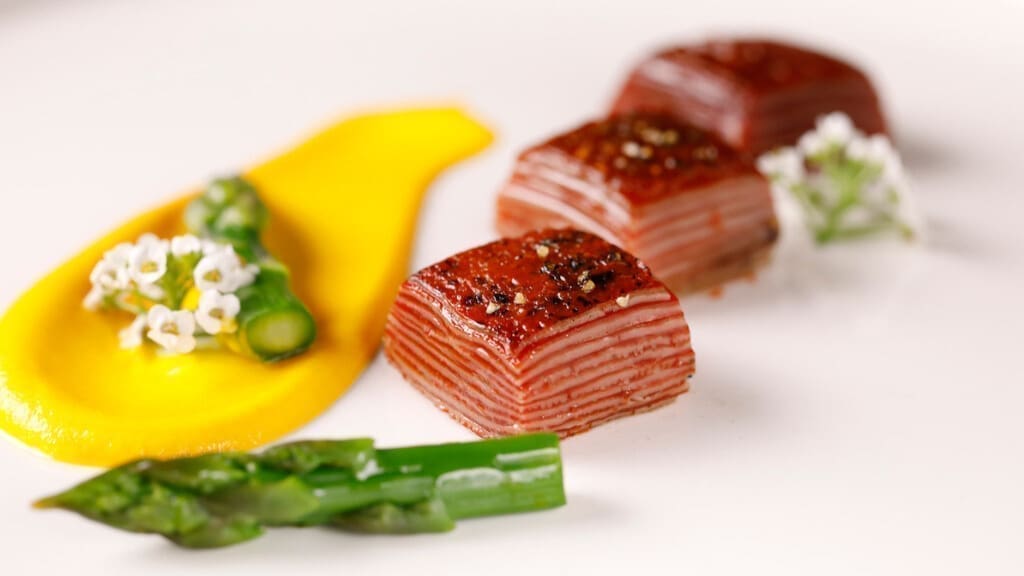
ISRAEL – Israel-based Steakholder Foods, an international deep-tech food company at the forefront of the cultivated meat industry, has announced a deal with the Gulf Cooperation Council (GCC) to advance food security efforts by commercializing its 3D fish bioprinting technology.
The GCC represents an economic union between Bahrain, Kuwait, Oman, Qatar, Saudi Arabia and the United Arab Emirates.
The deal, which is expected to generate a substantial income stream for Steakholder Foods, involves an investment by the GCC in constructing a pilot plant to produce printed hybrid-fish products, followed by a milestone-based sales and procurement plan for industrial-scale output.
According to Arik Kaufman, CEO of Steakholder Foods, the 3D bioprinting technology fundamentally reshapes the food production landscape, offering a robust solution to address food security challenges.
“By using bio-inks, made of plant-based ingredients and cultivated cells, we can 3D print food, mimicking the structure and texture of conventional fish and meat,” Arik noted.
“The ultimate goal is to create a “first-of-its-kind” large-scale production facility in the Persian Gulf region and produce high-quality, nutritious food consistently and sustainably.”
He also added that this is the first Steakholder’s agreement with a strategic partner after intensive years of development, generating its first income stream that represents one of the first substantial income agreements for a company in the cultivated meat industry.
“We believe that we have chosen the right partner, and together, we are committed to advancing the cause of food security and creating a positive impact on the world.”
The collaboration will leverage Steakholder Foods’ expertise in providing mature Ready-to-Cook (RTC) 3D printer technologies and customized bio-inks tailored to produce a wide range of species-specific cultivated fish and meat products, as well as vegetable-based products.
Additionally, with the ability to scale up or down based on demand, the technology will ensure a consistent supply of food, irrespective of seasonal fluctuations or adverse conditions that may impact traditional food production.
Kaufman added that Steakholder Foods will support the GCC secure the regulatory approval defined by the relevant countries, in order for these countries to reap all the benefits of the technology.
“3D bioprinting is a crucial tool for enhancing food security, providing reliable, sustainable and scalable food production,” he concluded.
Yair Ayalon, VP of business development at Steakholder Foods, added that the strategic partnership marks a pivotal moment in the company’s journey to commercialize its 3D printing capabilities.
“Looking ahead, we remain committed to pursuing additional strategic partnerships to enable us to deliver innovative solutions for the food tech industry.”
Earlier this year, Steakholder Foods in partnership with Umami Meat Ltd unveiled its successful bioprint to produce the first ready-to-cook cultivated grouper fish fillet.
For all the latest food industry news from Africa and the World, subscribe to our NEWSLETTER, follow us on Twitter and LinkedIn, like us on Facebook and subscribe to our YouTube channel.

