Sula Vineyards acquires Moët Hennessy’s Chanon estate in India
Sula Vineyards to acquire Chandon estate in Nashik, boosting production capacity and wine tourism ambitions as Moët Hennessy exits wine production in India.
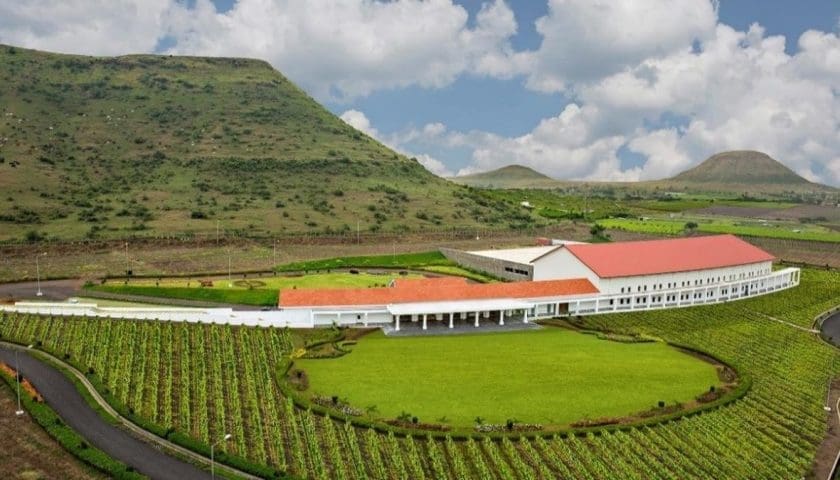
INDIA – Sula Vineyards has signed a definitive agreement to acquire wine production assets from Moët Hennessy in India, marking a strategic move to expand its production capacity and wine tourism footprint.
The company said it will acquire Chandon’s estate in Dindori, Nashik, for Rs 20 crore, with the transaction to be funded through internal accruals. The acquisition will be carried out through its wholly owned subsidiary, Artisan Spirits.
Located in Maharashtra’s Nashik district, the 19-acre estate includes a winery with an annual production capacity of 450,000 litres, with potential to expand to 1.3 million litres. The site also features a visitor centre and five acres of vineyards.
The transaction is expected to close by the end of the first quarter of fiscal year 2027, subject to regulatory approvals.
Following completion, Moët Hennessy will cease wine production in India, while Sula will integrate the facility into its own operations. Wines produced at the estate will be marketed under Sula’s portfolio, with no continued use of the Chandon brand.
Sula Vineyards founder and CEO Rajeev Samant highlighted the strategic importance of the acquisition.
“Dindori is widely regarded as the home of India’s finest wine grapes, and this acquisition strengthens our presence here. Building on the success of our flagship wine tourism destination near Gangapur Lake in Nashik, the most visited vineyard globally, attracting over 3 lakh visitors annually, we see strong potential to develop another landmark destination wine resort in Dindori,” he said.
He added: “Leveraging its strategic location and picturesque setting, we believe this estate will play a key role in the next phase of growth for our wine tourism business.”
The acquisition comes as Sula Vineyards navigates a challenging operating environment. The company recently reported a 9.7% decline in revenue from operations to ₹1.96 billion (US$21.6 million) in its fiscal 2026 third quarter.
Sula attributed the decline to one-time tactical destocking in Karnataka to correct channel inventory and conserve working capital amid subdued demand in the region.
Profitability was also impacted during the period, with net income falling 67.6% to Rs 91 million. EBITDA declined 39.8% to Rs 320 million, while the company’s earnings margin dropped 816 basis points to 16.3%.
Sign up HERE to receive our email newsletters with the latest news and insights from Africa and around the world, and follow us on our WhatsApp channel for updates.